




Skip to content
Start Here
伟大的移民

Great Migration

Witness nature’s greatest spectacle all year round

Your gateway to the Great Migration

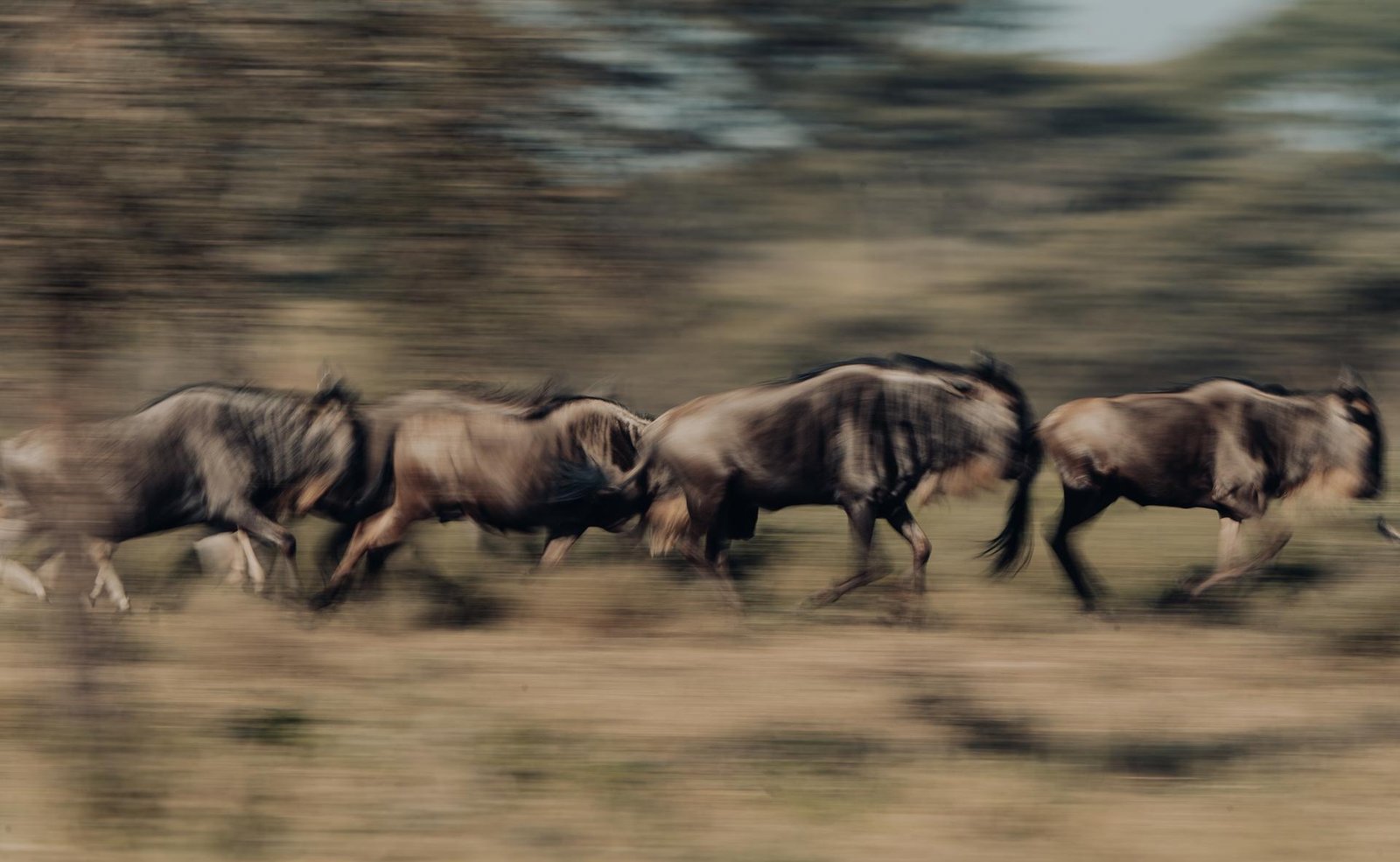
每年,巨大的野生动物,斑马和鱼在被阳光吻过的塞伦吉特沙瓦纳上涌出,从坦桑尼亚南部的塞伦吉特到肯尼亚的马萨伊马拉(Maasai Mara)的古老路线,然后再回来。

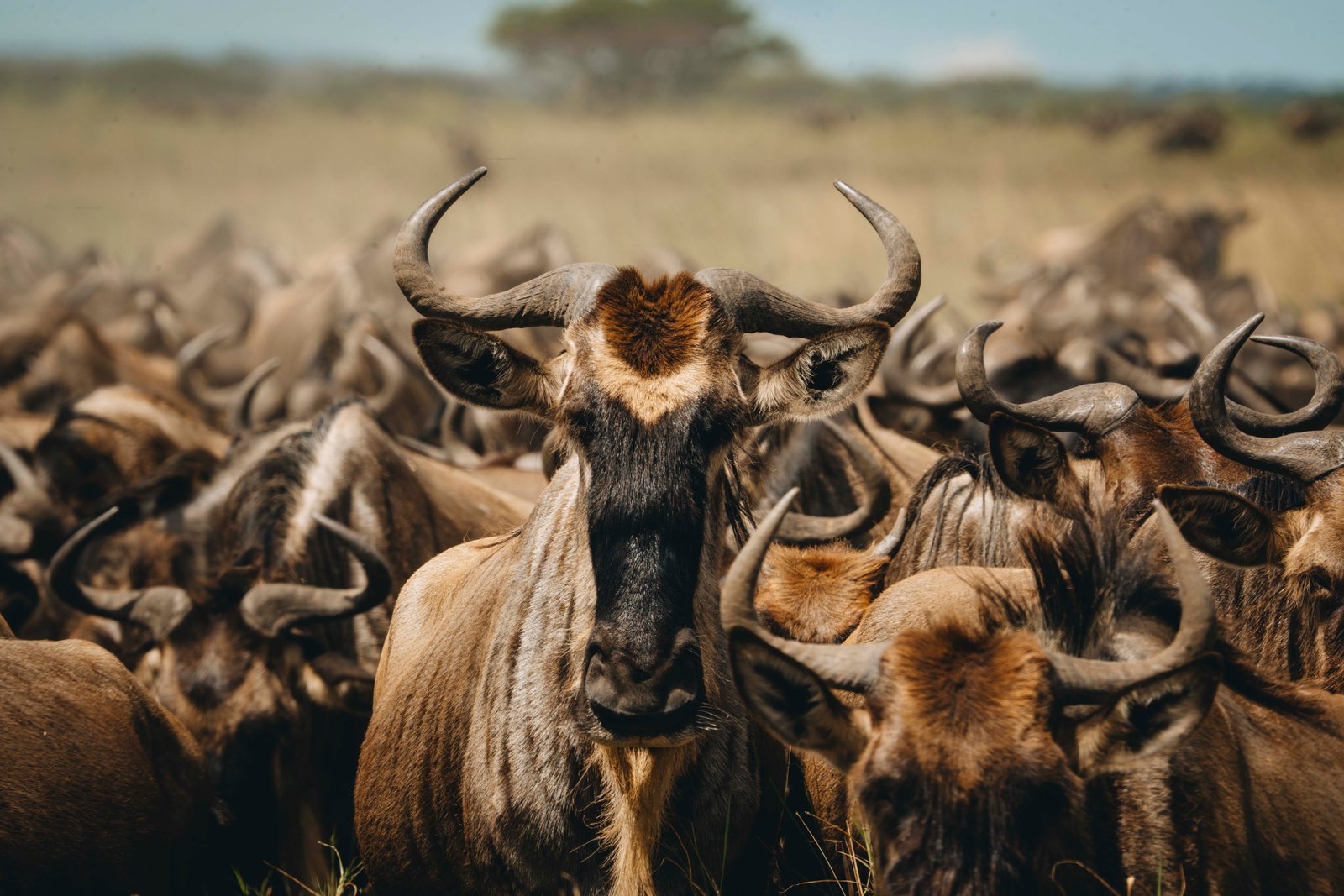
The herds’ journey, vast in scale and fraught with danger, has captivated explorers, adventurers and wildlife enthusiasts for decades — and for good reason. From the edge-of-your-seat suspense of the river crossings to witnessing a newborn calf taking its first unsteady steps, experiencing the Great Migration for yourself on a Tanzanian migration safari is a bucket list moment.

A cycle of survival and renewal

1.5 million

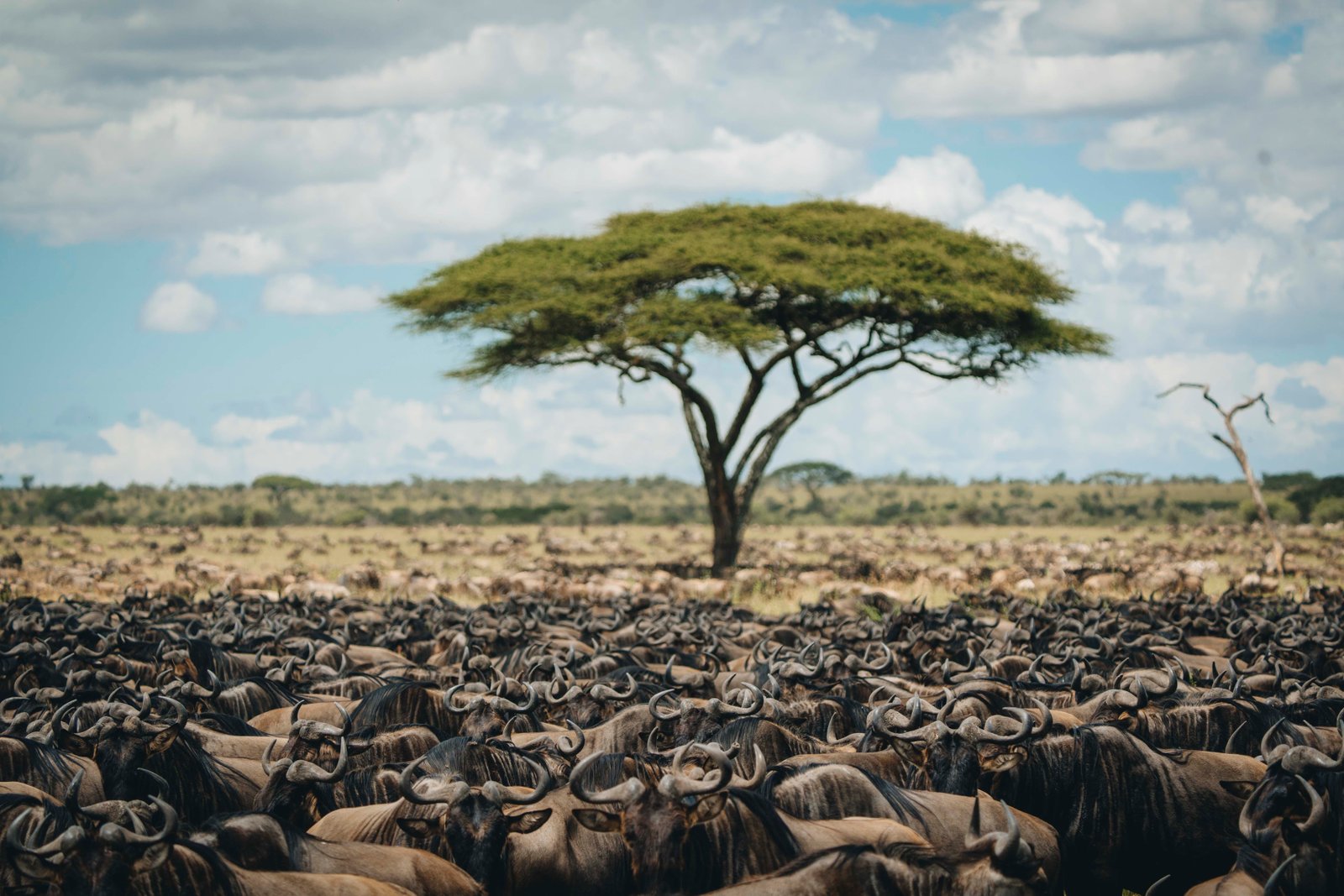
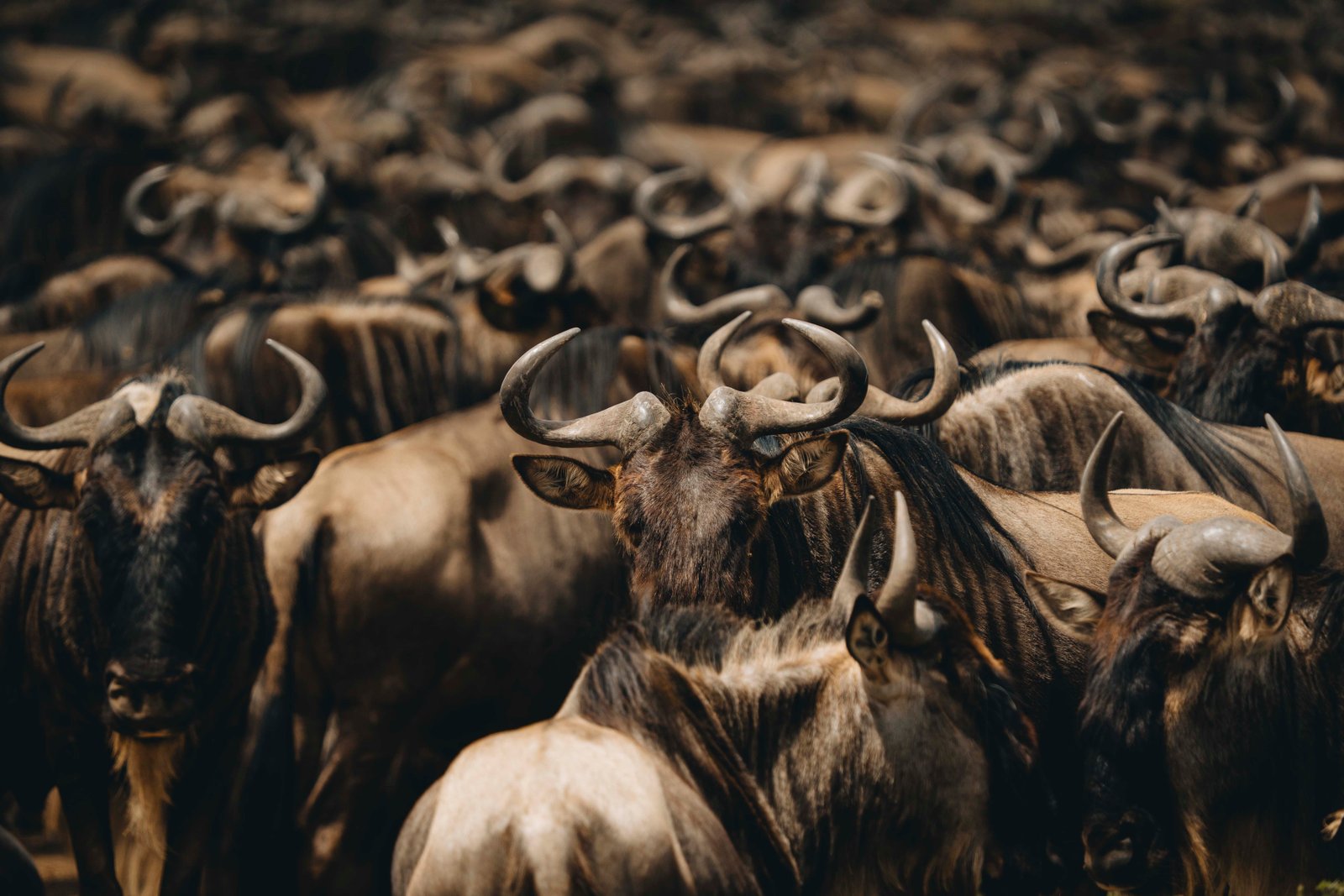
野生动物,20万条斑马和30万条汤姆森的子,在这个艰苦的年度旅程中进行。

1,600

Kilometers traveled over the course of a year.

8,000

Births take place daily during calving season — around half a million in total.

200,000

Wildebeests die each migration cycle, whether from exhaustion, drowning or predation.

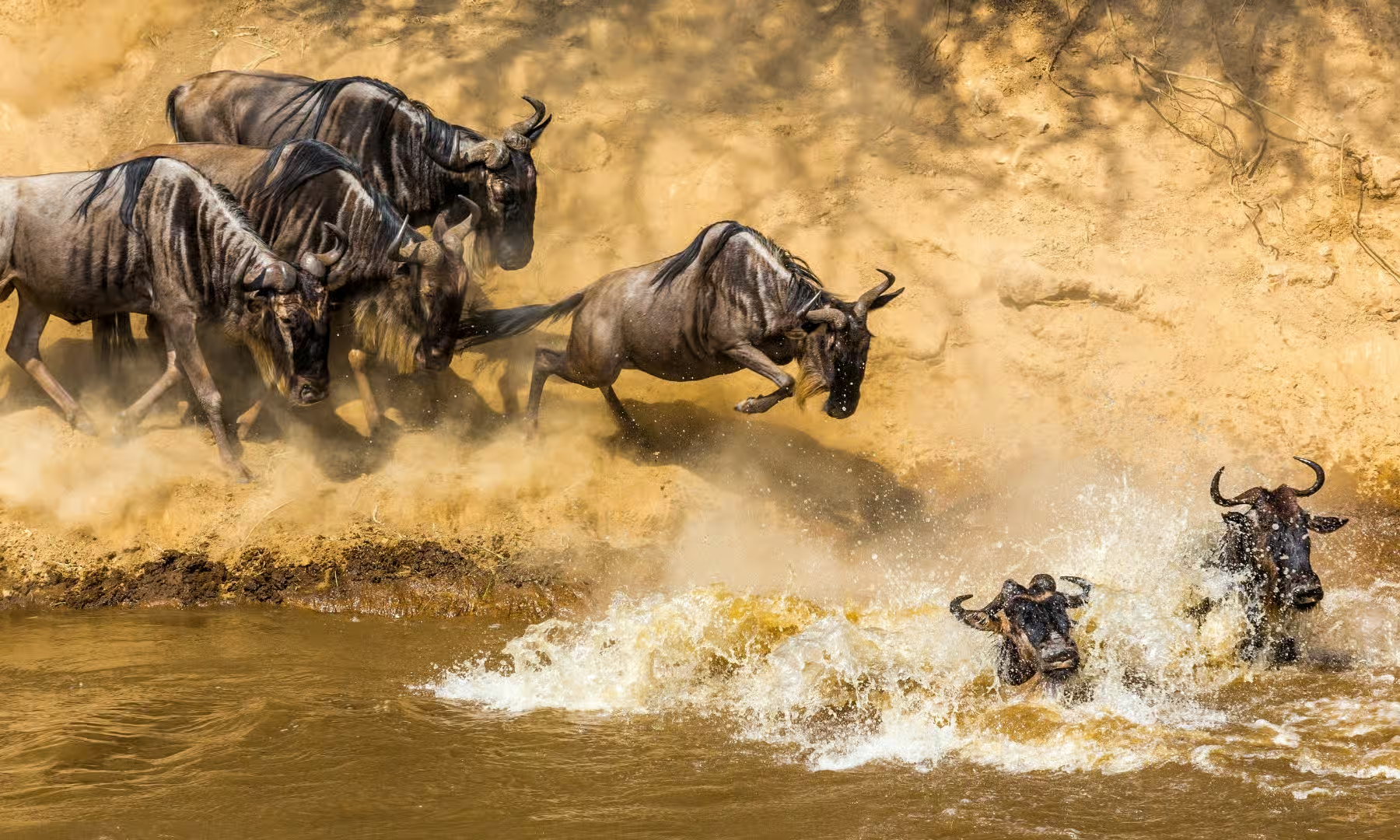
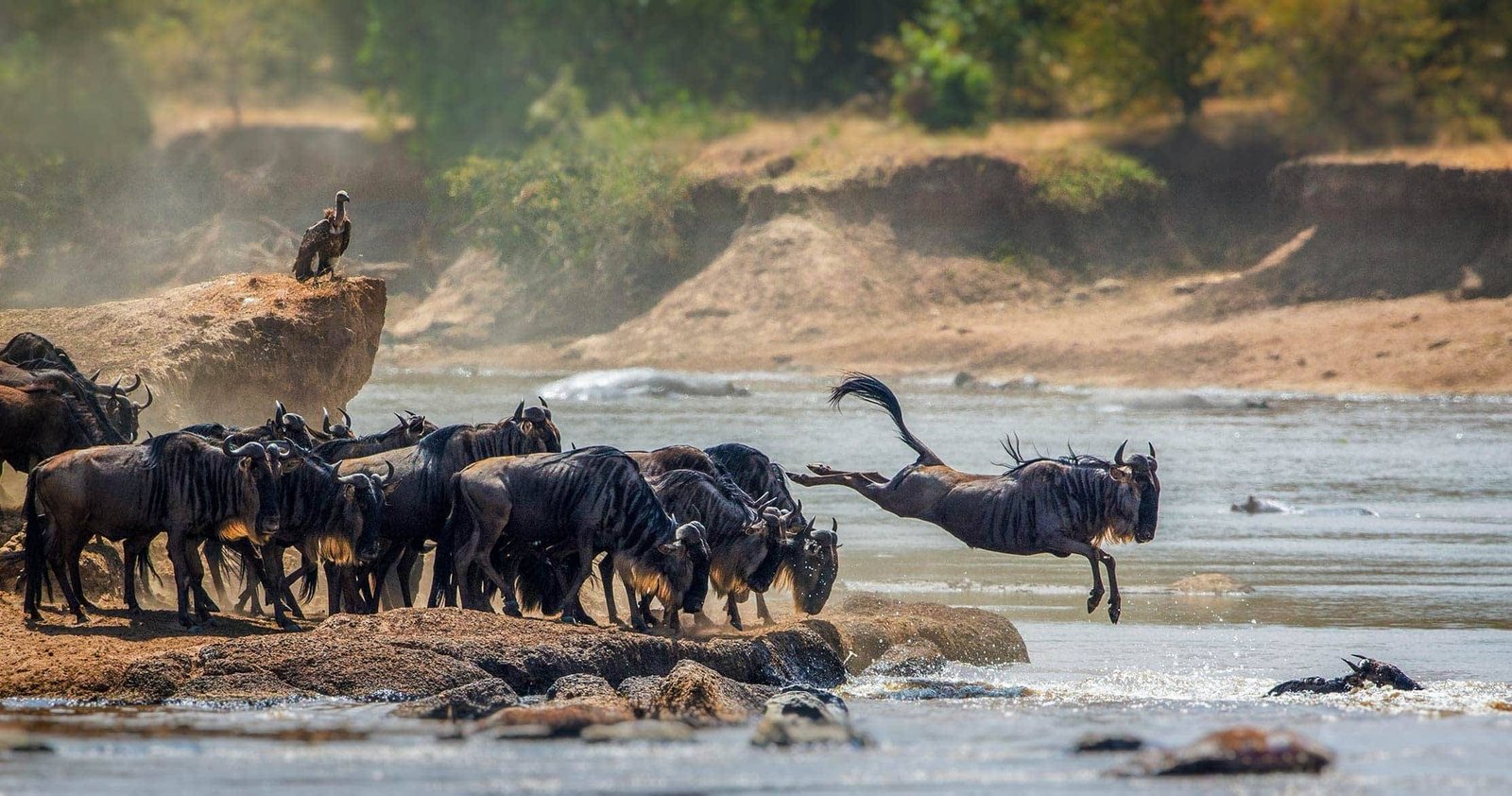
Wildebeest herd crossing a river during the Great Migration

Embark on an Inspiring Safari

Experience every stage of this remarkable journey

An endless cycle of birth, movement, and death, with no real beginning or end — the herds’ migration is the beating heart of the Serengeti-Mara Ecosystem; the steady rhythm of their hooves its pulse.

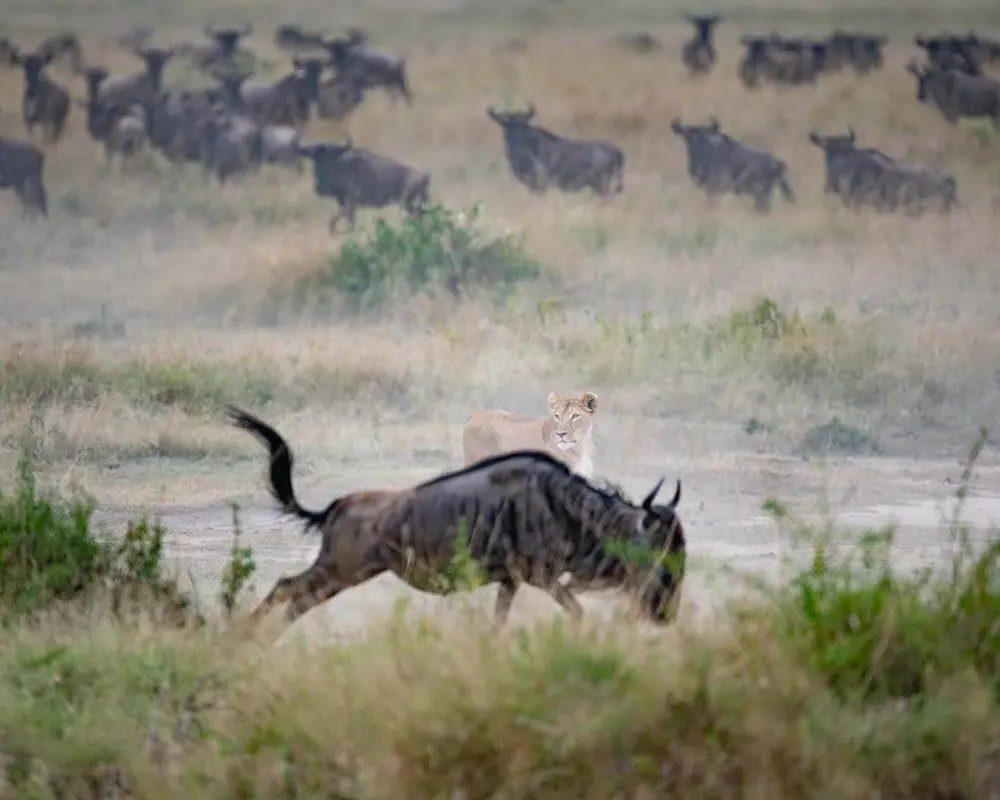
The herds’ clockwise circuit is guided by instinct and the promise of seasonal rains. While river crossings may fill our screens, every stage of this journey is filled with drama: from lion prides stalking stragglers in the south to the lesser-known yet no-less dangerous Grumeti River crossings.

Get unparalleled access to every stage of the Great Migration, no matter the season.

Journey With Us

Tracing the footsteps of the Great Migration

Their dramatic journey at a glance

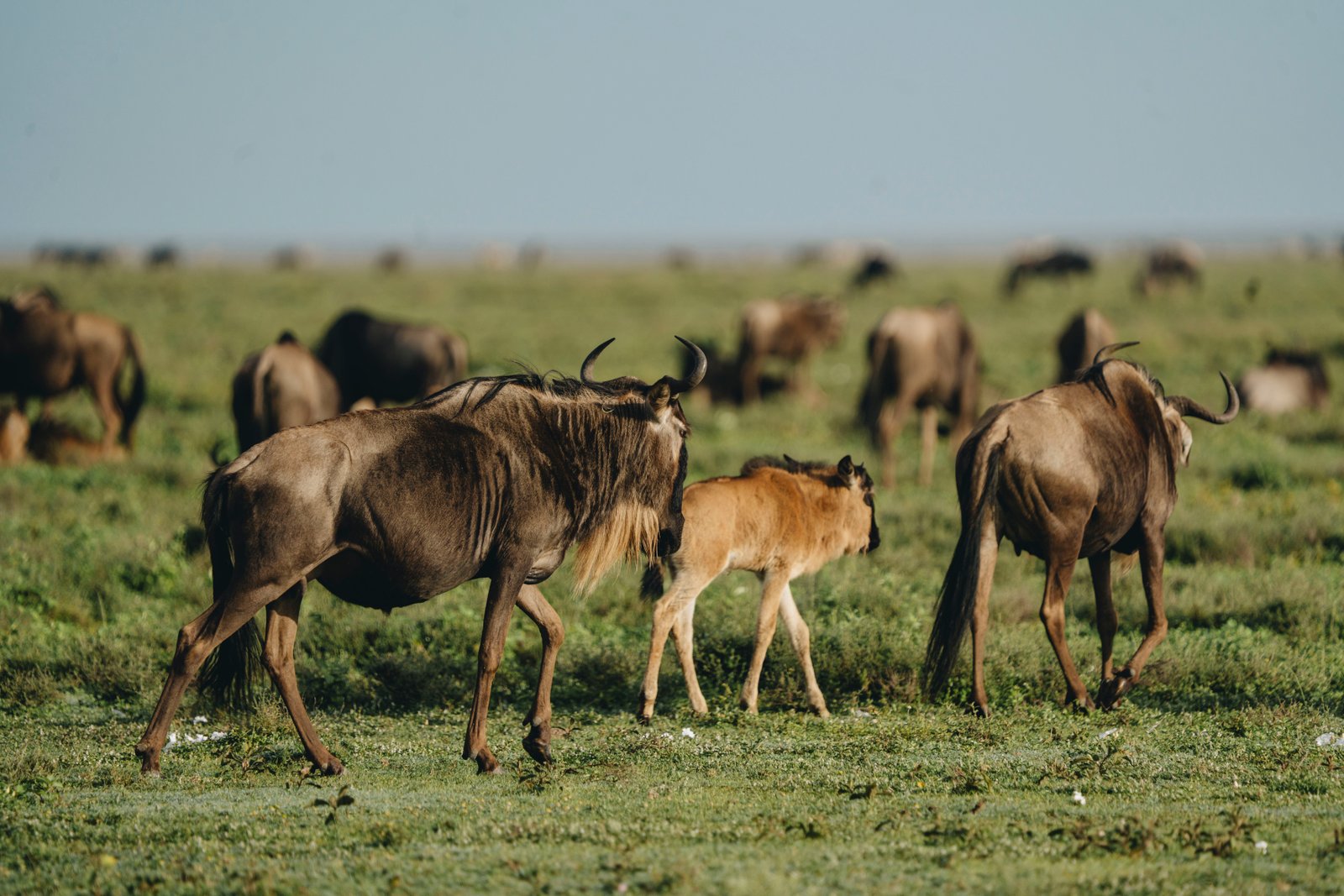
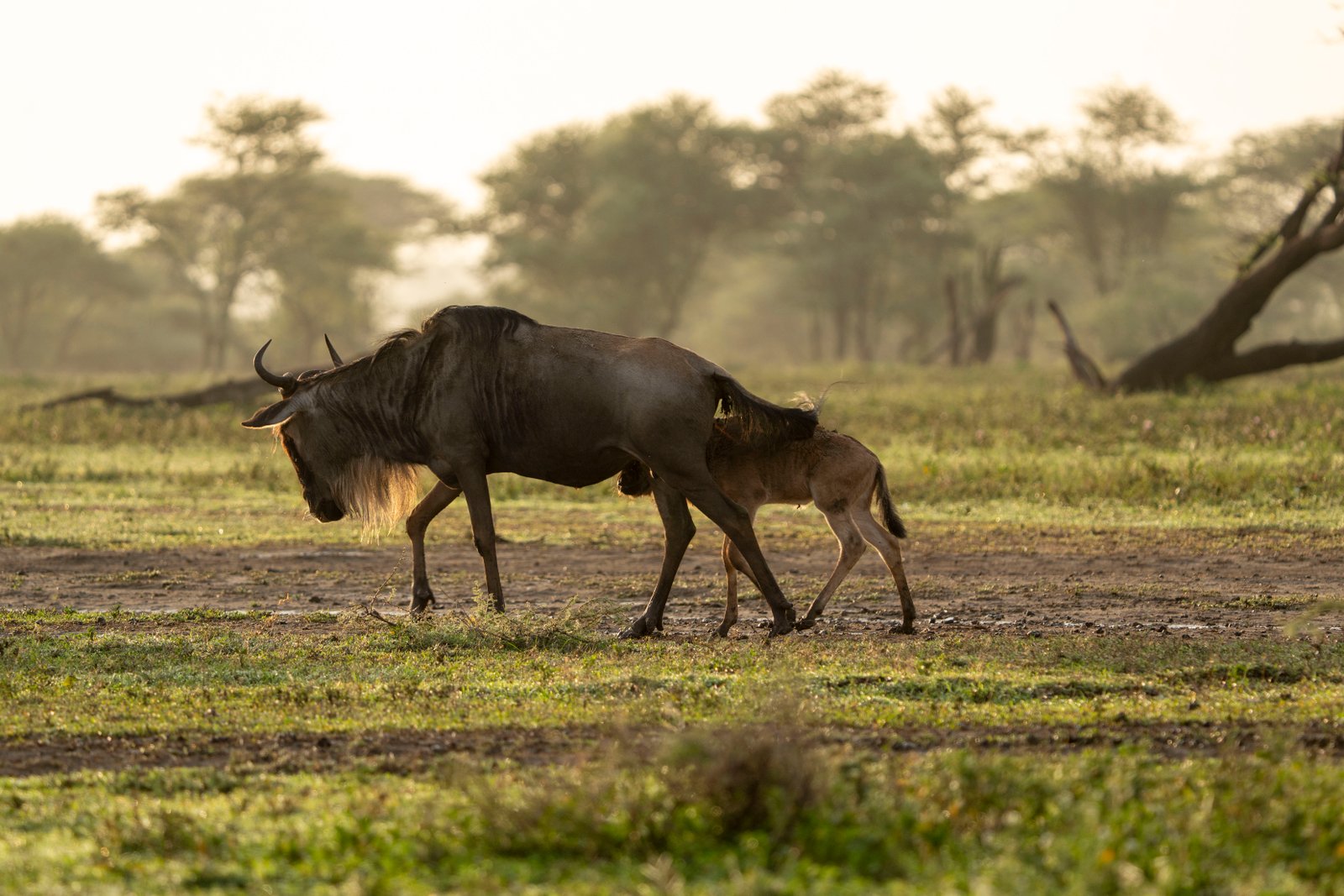
Wildebeest mother and calf on the southern Serengeti plains

The calving season

January to March

In the short grass plains of Ndutu and the southern Serengeti, approximately 8,000 newborn calves take their first unsteady steps every day during the calving season. Here, fertile soil, infused with ancient volcanic ash, gives rise to nutrient-rich grasses.

Almost all mothers give birth in a period of around three weeks. During this time, over 500,000 calves are born — while lions, cheetahs, leopards and hyenas feast.

Experience the calving season at

Wildebeest bulls clashing on the plains during the rutting season

The rutting season

April to June

Darkening skies at the end of March herald the arrival of the long rains, triggering the herds’ journey northwest. This marks the start of the rutting season, where males clash as they compete for females, their aggressive grunts echoing across the plains. Reaching the western corridor, the herds will face their first great obstacle: crossing the Nile crocodile-infested Grumeti River.

Experience the rutting season

Wildebeest herds gathering to cross the Mara River

马拉河过境

July to October

The Great Migration’s most famous chapter unfolds in the northern Serengeti. Here, the fast-flowing waters of the Mara River set the stage for the herds’ desperate dash to reach the rain-soaked plains of Kenya’s Maasai Mara.

Rather than a single event, the river crossings take place over months, at a number of crossing points along the banks of the river — sometimes multiple times a day. Ebbing and flowing with the tide of megaherds as they journey north, crossings can mean thousands of thundering hooves charging the churning water, or a handful of stragglers hoping to avoid the jaws of the crocodiles that lie in wait.

Experience the Mara River crossings at

Wildebeest crossing the Mara River on the journey south

The journey south

November to December

Short rains summon the herds back to the Serengeti. To get there, they face the danger of the Mara River once more, crossing in waves as they flow south toward the calving grounds where the cycle begins anew.

Experience the journey south

Secure your front-row seats
自然界最伟大的表演

加入我们,在塞伦吉提(Serengeti)的难忘体验中,在水、尘埃云和雷雨中,自然界最伟大的故事之一的另一个章节被写下来。

Book Your Tanzanian Migration Safari