


Skip to content
Start Here
加尔文季节

Calving Season

加尔文季节

January to March, with peak calving often experienced between late January and February depending on rainfall and herd movement

Southern Serengeti, Ndutu plains, and the wider Ngorongoro Conservation Area

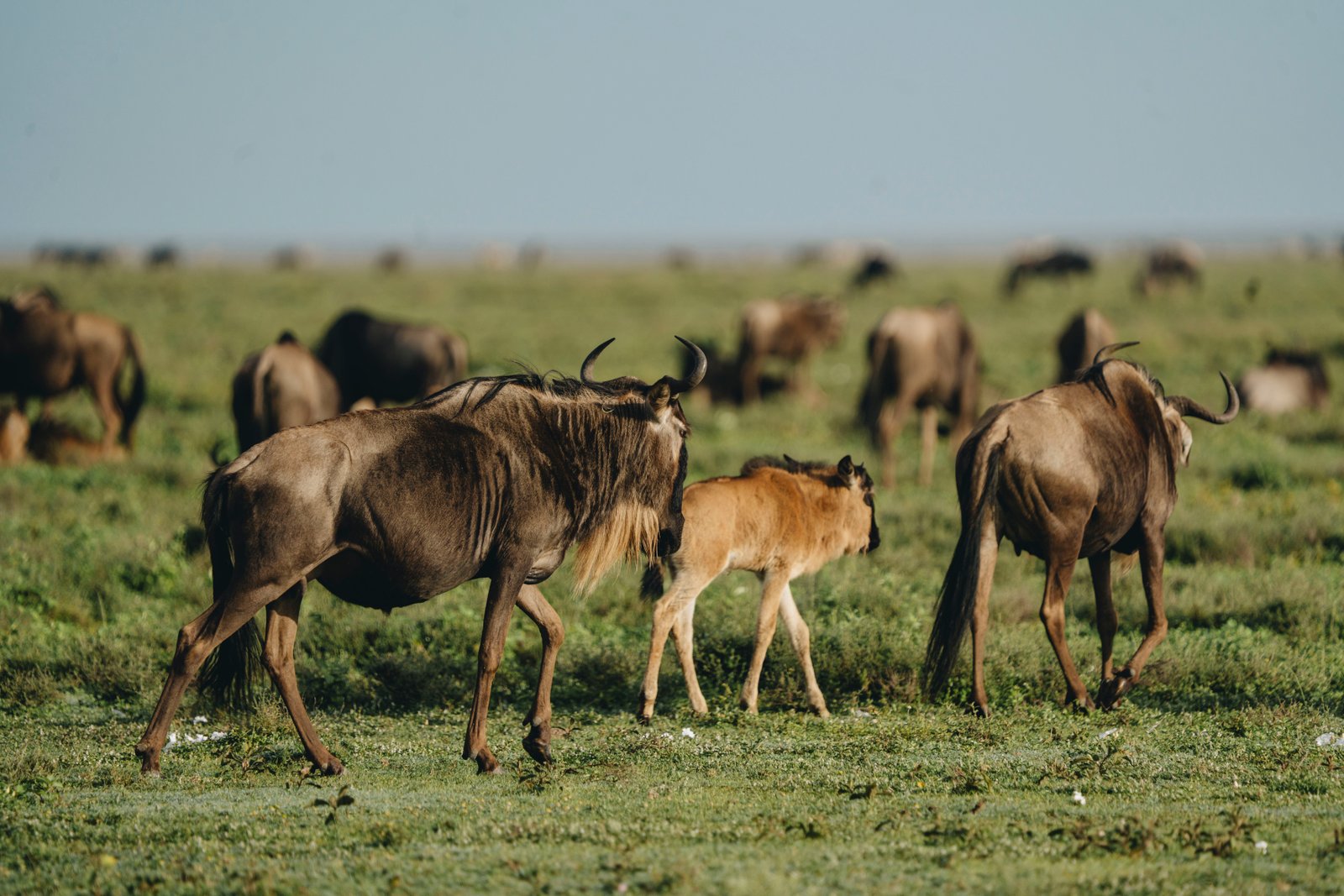
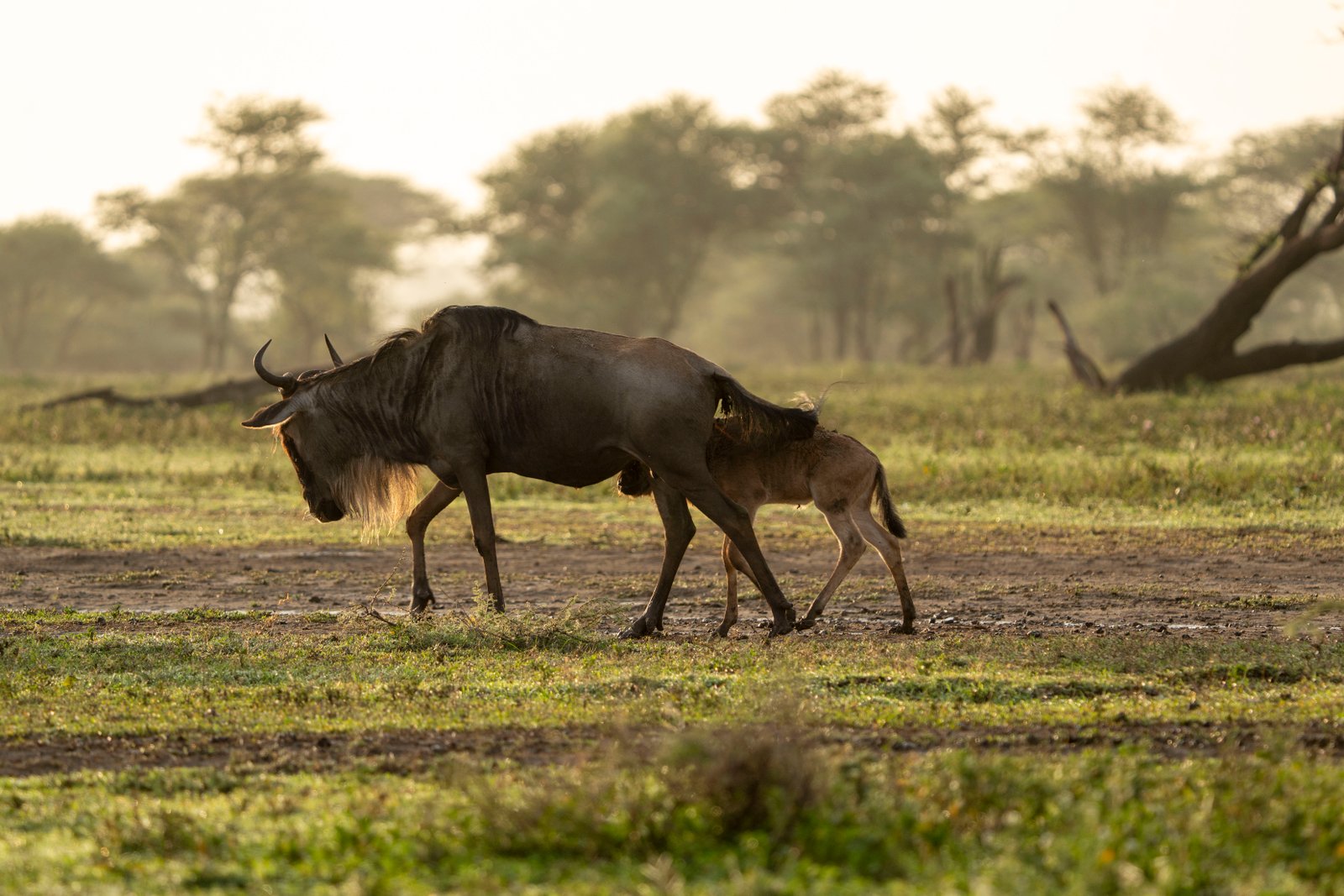
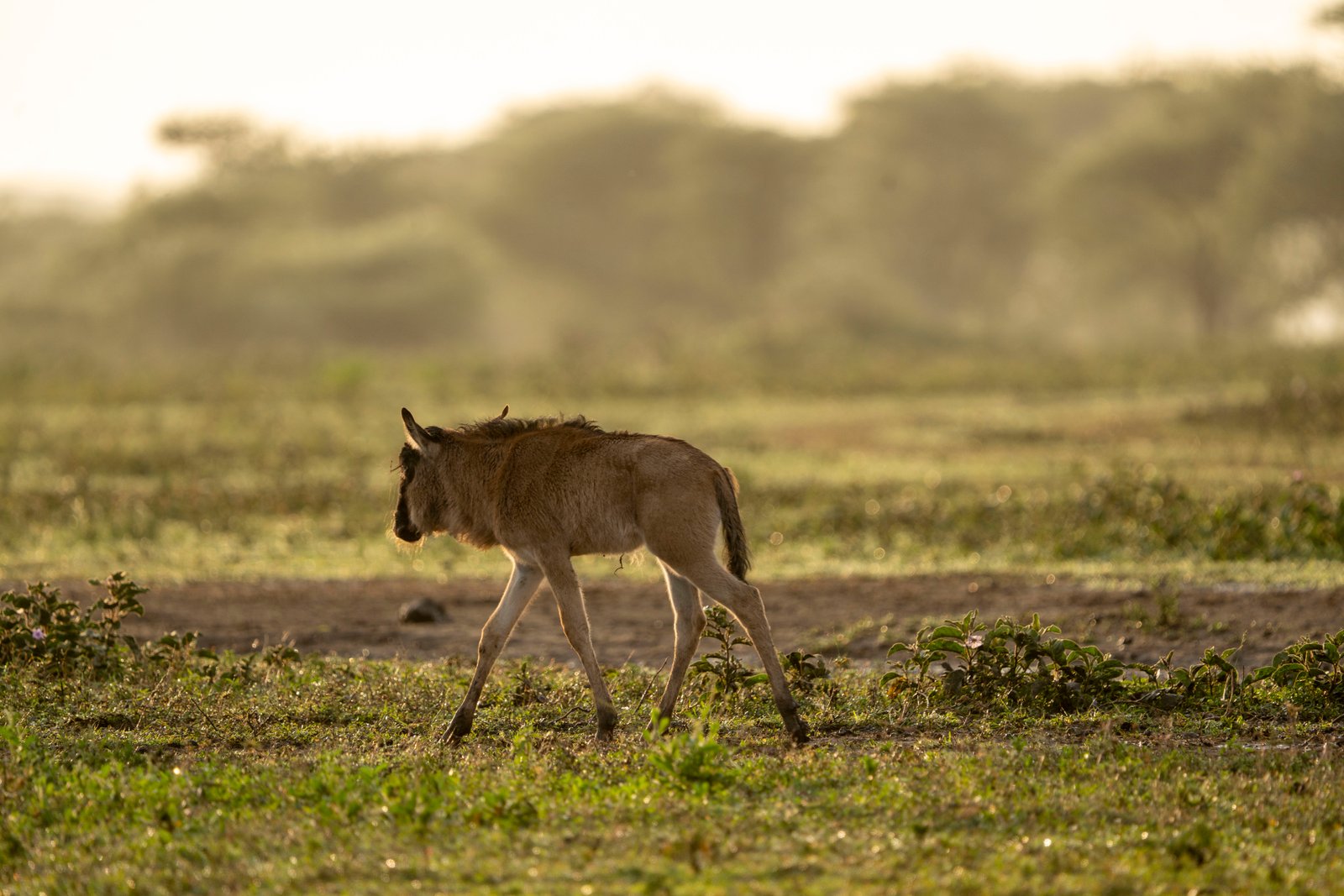
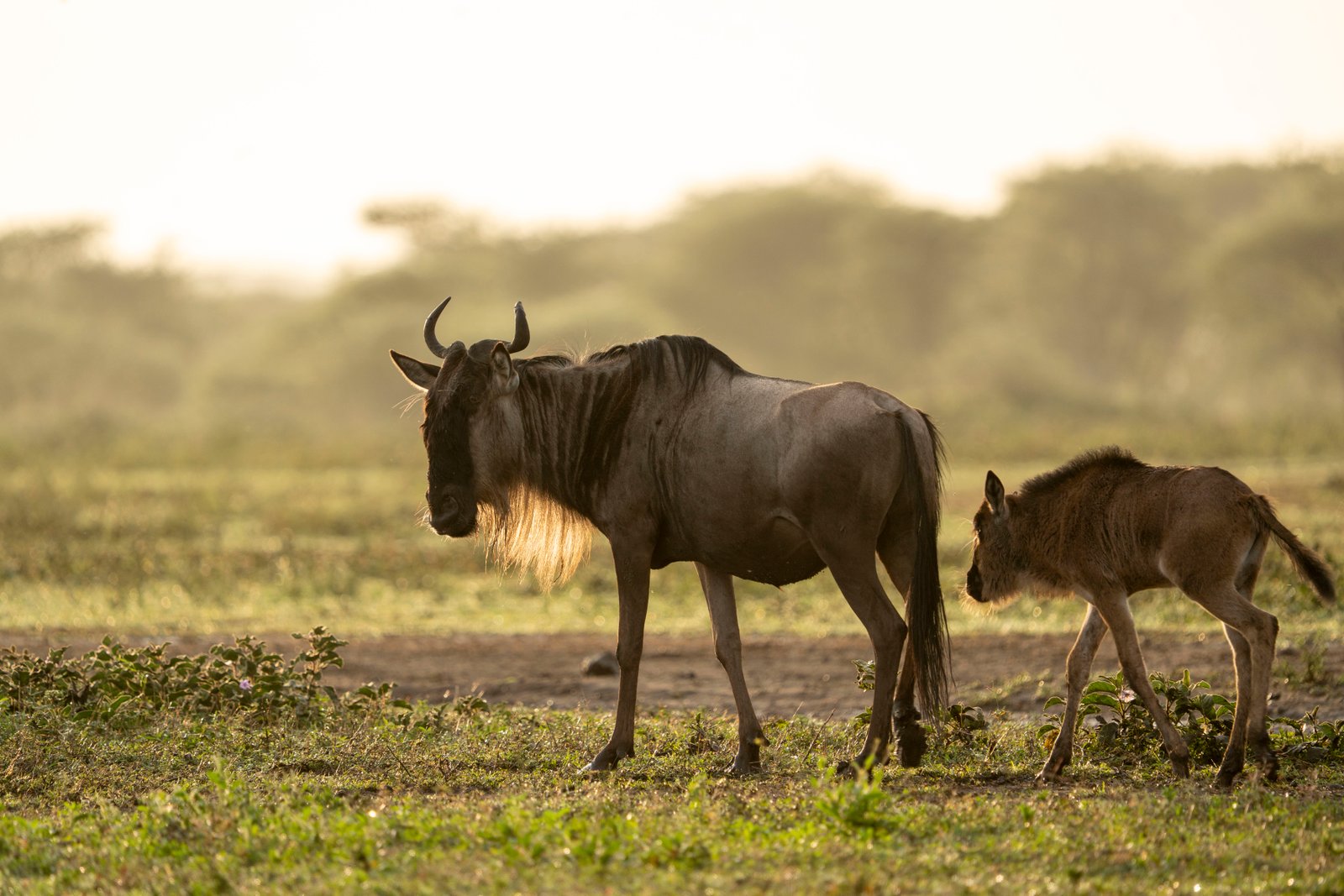
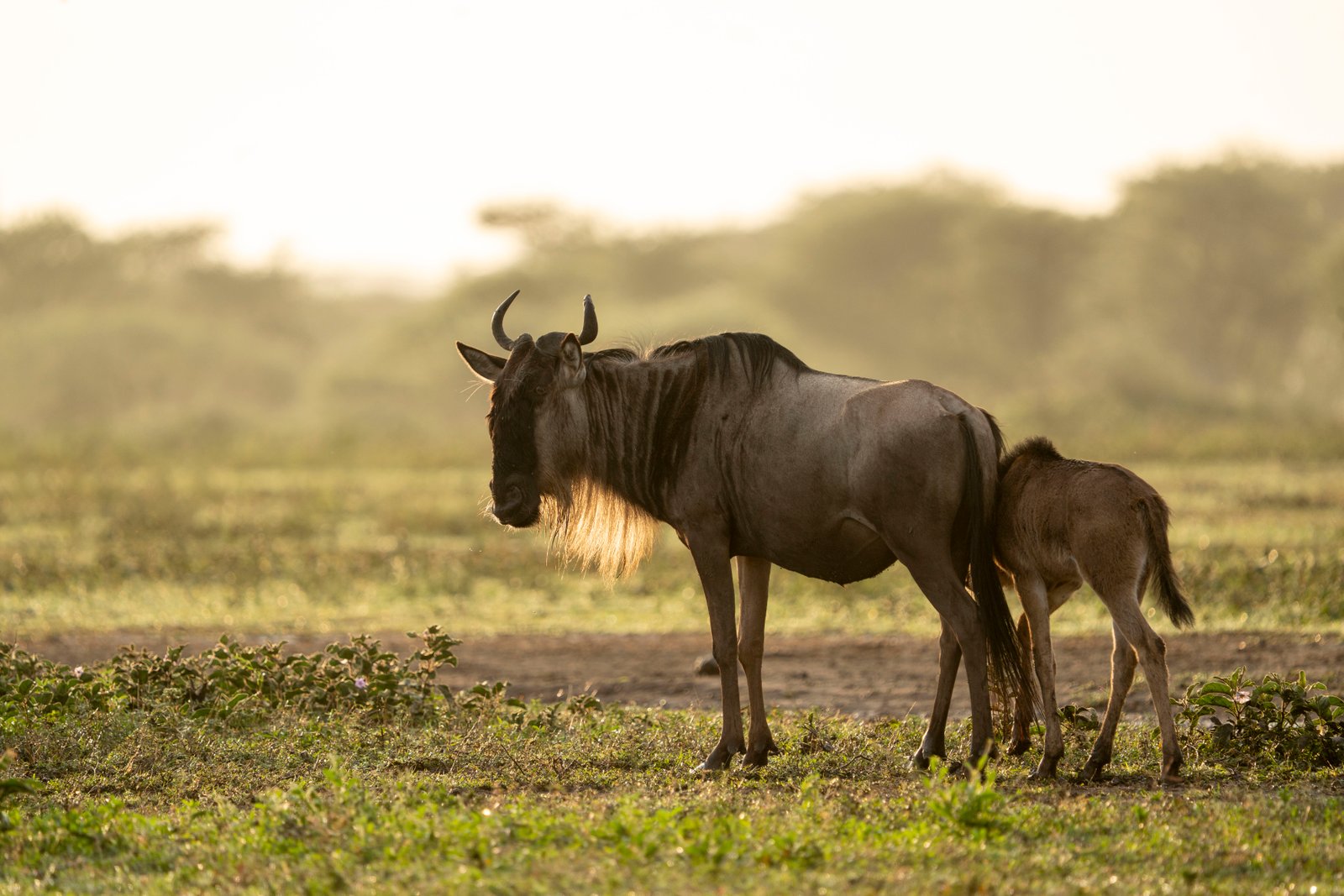
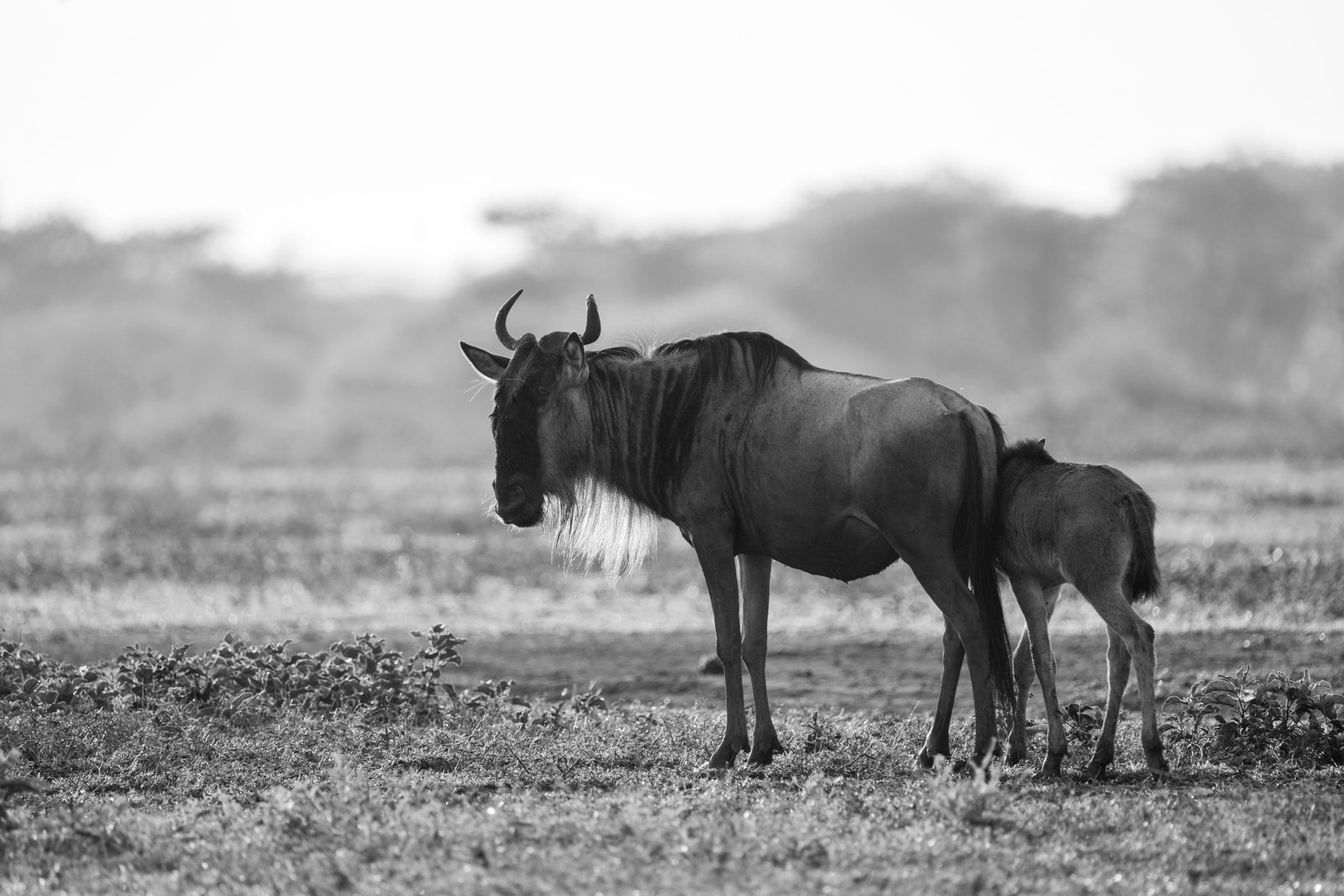
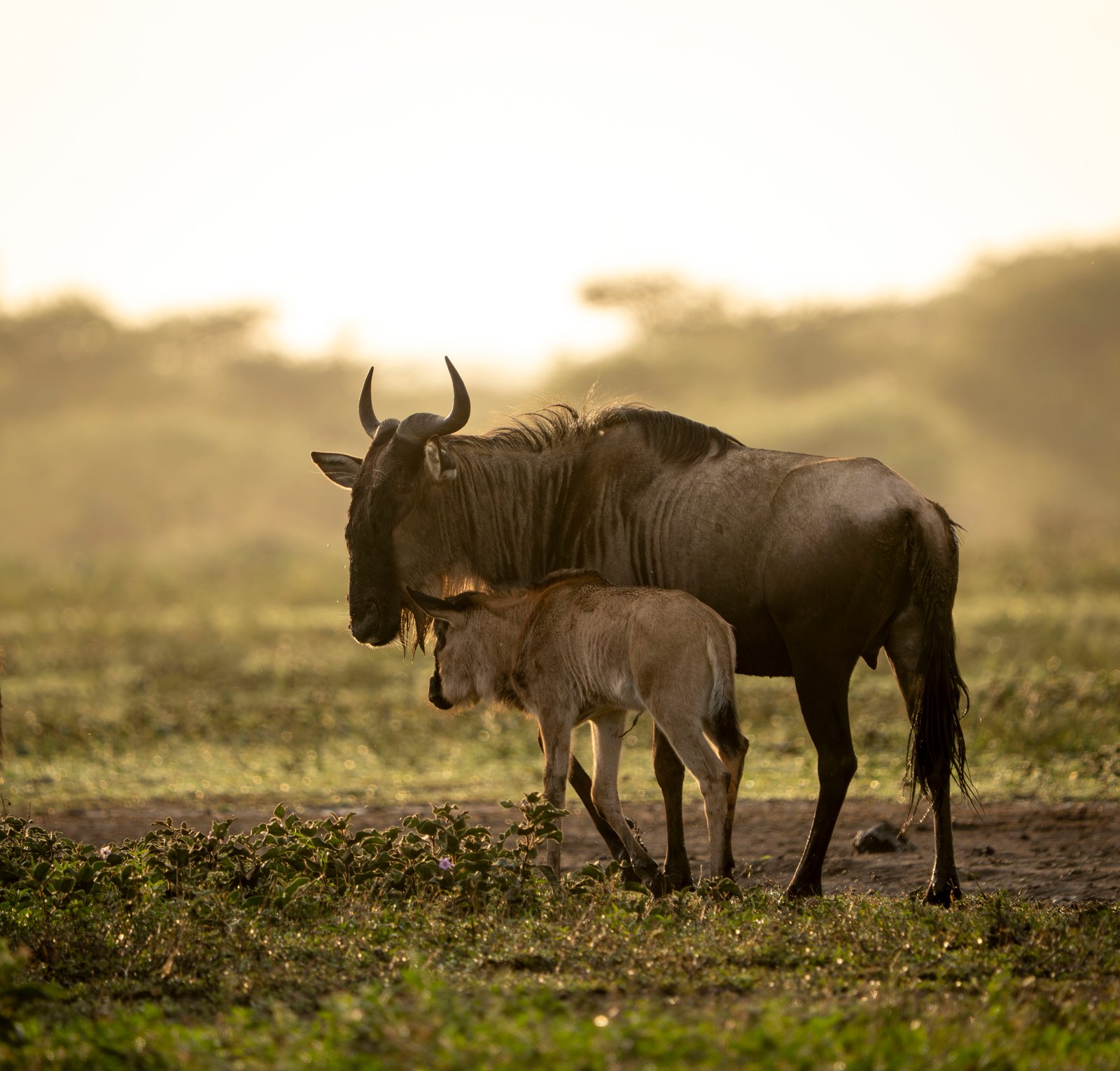
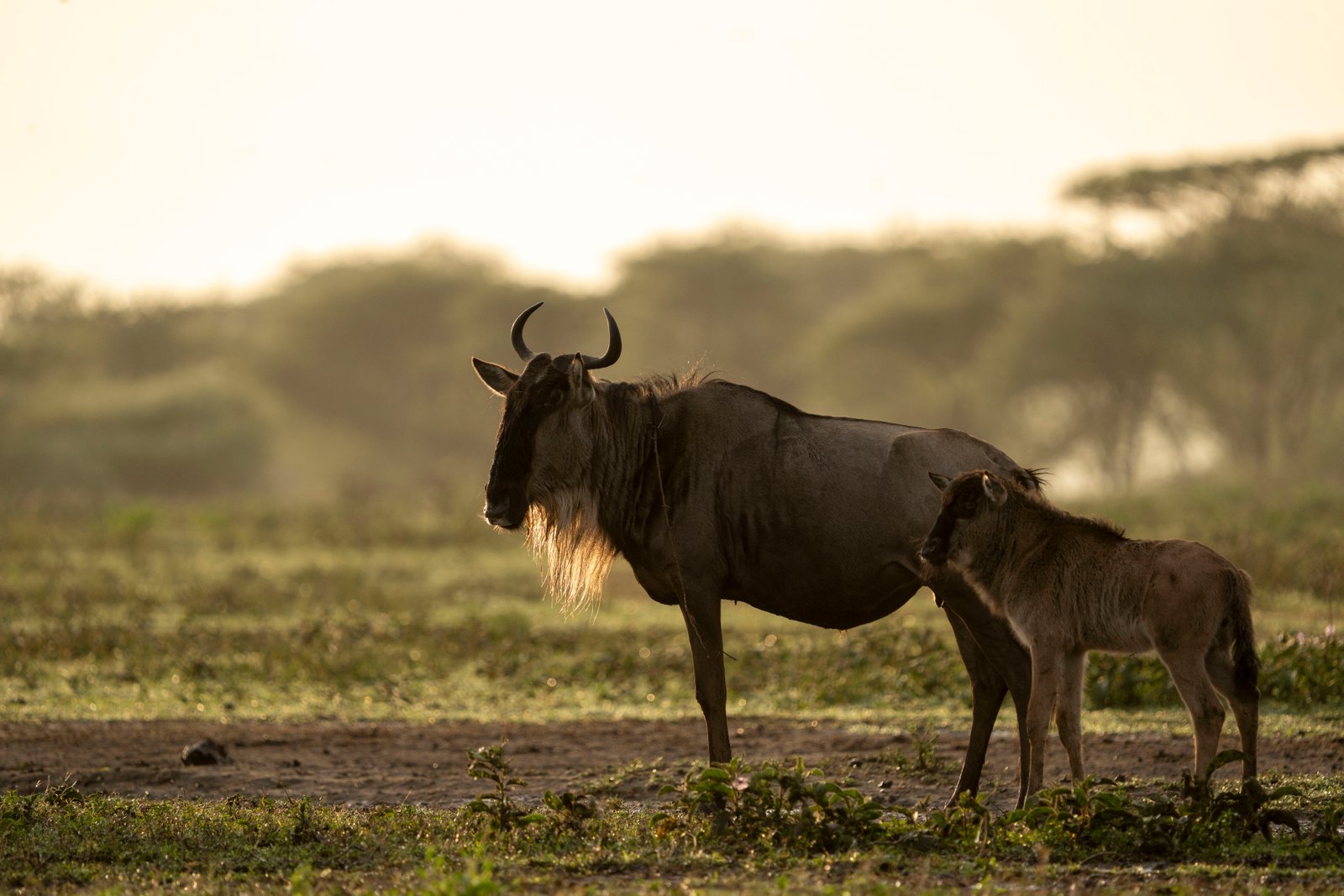
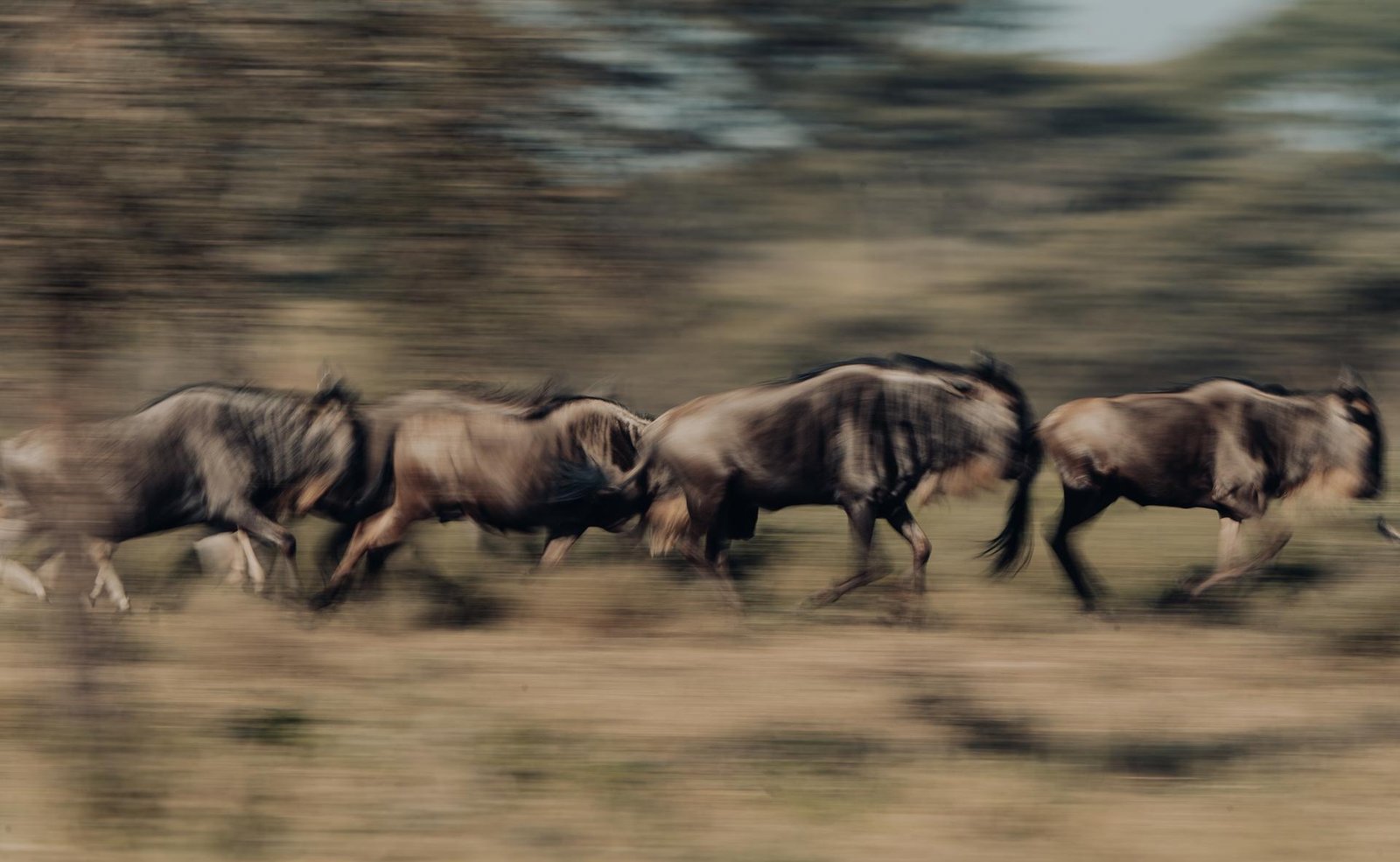
Calving season is one of the most powerful chapters of the Great Migration. Across the short grass plains of the southern Serengeti and Ndutu, the herds gather in huge numbers, newborn calves take their first steps, and predators follow closely behind.

Plan this journey

A cycle of survival and renewal

1.5 million

野生动物,20万条斑马和30万条汤姆森的子,在这个艰苦的年度旅程中进行。

1,600

Kilometers traveled over the course of a year.

8,000

Births take place daily during calving season — around half a million in total.

200,000

Wildebeests die each migration cycle, whether from exhaustion, drowning or predation.

Calving season usually takes place from January to March, when the rains bring fresh grass to the southern Serengeti and Ndutu plains. This is where thousands of wildebeest arrive to give birth, creating one of the most emotional and action filled safari experiences in Tanzania.

这个季节的美丽在于它的对比,一瞬间,你可能会看到一只新生野兽第一次站立,接下来,你可能会见证狮子,小鸭子,海娜,或杰卡尔穿过平原寻找机会,这是一个生活,生存,运动和粗野的季节。

Ndutu is especially rewarding during this period because off road game drives are allowed in selected areas, giving guests better access to sightings and photography opportunities. The open plains also make it easier to follow wildlife activity and enjoy clear views of the herds, predators, and dramatic skies.

This season is ideal for travelers who want more than a classic safari. It is perfect for photographers, wildlife lovers, return safari guests, and anyone who wants to experience the Great Migration in a deeply emotional and active way. The best safari routing usually combines Ndutu, southern Serengeti, and nearby areas depending on herd movement and camp availability.

加尔文季节
加尔文季节
加尔文季节
加尔文季节
加尔文季节
加尔文季节
加尔文季节
1 / 7