




Is There a Single Best Time to Visit Tanzania?
No. Tanzania is a good safari destination throughout the year, but each season offers something different. The long dry season from June to October gives the most reliable game viewing and the river crossings in the northern Serengeti. January and February bring the calving season on the southern plains. The green season from March to May offers lush scenery, fewer visitors and lower prices.
The best time for your safari depends on what you want to see, which parks you plan to visit, your budget, and whether you plan to finish on Zanzibar.
Tanzania's Main Safari Seasons
- Long dry season (June to October): sunny days, cool mornings, thin vegetation and wildlife gathering near water. This is peak season.
- Short rains (November to mid December): brief afternoon showers that refresh the landscape. A good value shoulder season.
- Short dry season (mid December to February): warm, mostly dry weather and the calving season in the southern Serengeti.
- Long rains (March to May): the green season, with heavier rain, especially in April, and the lowest prices of the year.
Month by Month Guide to a Tanzania Safari
The month by month guide below summarises typical conditions on Tanzania's northern safari circuit. Weather and migration timing vary from year to year, so treat it as a guide rather than a timetable.
January
- Typical conditions: Warm; short dry spell between rains, some showers
- Wildlife and safari highlights: Green plains, newborn animals, good birding
- Great Migration: Herds on southern plains and Ndutu; calving begins
- Planning and budget: High demand for calving camps; book early
February
- Typical conditions: Warm, usually fairly dry
- Wildlife and safari highlights: Peak predator activity around the herds
- Great Migration: Calving usually peaks
- Planning and budget: Popular month; good availability needs early booking
March
- Typical conditions: Long rains begin, often later in the month
- Wildlife and safari highlights: Lush landscapes, fewer vehicles
- Great Migration: Herds still in the south, starting to move
- Planning and budget: Shoulder pricing at many camps
April
- Typical conditions: Wettest month in most areas
- Wildlife and safari highlights: Quiet parks, dramatic skies, green scenery
- Great Migration: Herds moving through central Serengeti
- Planning and budget: Lowest prices; some camps close
May
- Typical conditions: Rains easing late in the month
- Wildlife and safari highlights: Green landscapes, newborn plains game
- Great Migration: Long columns heading west and north
- Planning and budget: Good value; check which camps are open
June
- Typical conditions: Dry season begins; cooler nights
- Wildlife and safari highlights: Vegetation thins and wildlife is easier to see
- Great Migration: Herds in Western Corridor; Grumeti River
- Planning and budget: Prices rise; peak season starts
July
- Typical conditions: Dry, sunny days, cool mornings
- Wildlife and safari highlights: Excellent game viewing across the north
- Great Migration: Herds arriving in the northern Serengeti
- Planning and budget: Peak season; book well ahead
August
- Typical conditions: Dry and dusty
- Wildlife and safari highlights: Wildlife gathers near water
- Great Migration: Mara River crossings possible
- Planning and budget: Busiest month; highest prices
September
- Typical conditions: Dry and warm
- Wildlife and safari highlights: Strong predator sightings; Tarangire elephants
- Great Migration: Crossings continue; herds in north and Mara
- Planning and budget: Peak season continues
October
- Typical conditions: Hot and dry; short rains may start late
- Wildlife and safari highlights: Wildlife concentrated at water sources
- Great Migration: Herds begin to turn south
- Planning and budget: Late peak; some availability returns
November
- Typical conditions: Short rains; afternoon showers
- Wildlife and safari highlights: Landscapes turn green again
- Great Migration: Herds moving south through the eastern Serengeti
- Planning and budget: Shoulder season; good value
December
- Typical conditions: Warm, with scattered showers
- Wildlife and safari highlights: Fresh grazing and active wildlife
- Great Migration: Herds arriving on the southern plains
- Planning and budget: Busy over Christmas and New Year
Best Time to See the Great Migration
The Great Migration is in Tanzania for most of the year, so there is no single best month. What changes is where the herds are and what they are doing. The migration is a continuous movement shaped by rainfall and grazing, and its timing can shift by several weeks between years.
Wildebeest calving season
Calving takes place on the short grass plains of the southern Serengeti and the Ndutu area, usually from late January to March, with a peak around February. Hundreds of thousands of calves are born within a few weeks, which draws lions, cheetahs and hyenas.
Northern Serengeti and the Mara River crossings
The herds usually reach the northern Serengeti from July and remain in the north and in Kenya's Masai Mara until about October. River crossings are most likely from late July to September, but they cannot be predicted to the day. Staying several nights near the river improves your chances.
Central Serengeti
The central Serengeti around Seronera is good all year. Resident lions, leopards and cheetahs, permanent water and varied habitats make it a reliable base, and the migration passes through around April to June and again in November.
Best Time to Visit Ngorongoro Crater
The Ngorongoro Crater is a year round destination because its wildlife does not migrate in large numbers. June to October brings clear skies but busier roads; the green season brings fewer vehicles and fresh scenery. Nights on the crater rim are cold, especially from June to August.
Best Time to Visit Tarangire National Park
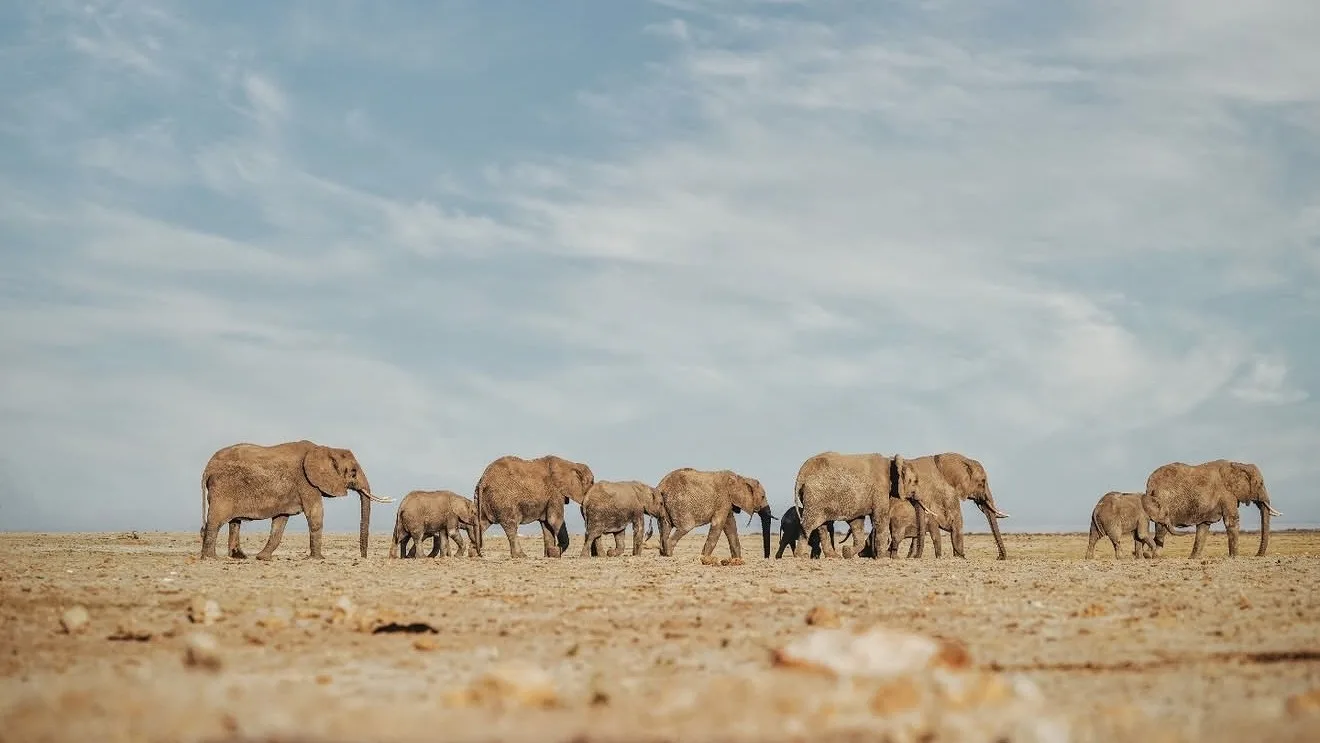
Tarangire National Park is at its best from June to October, when the Tarangire River becomes the main source of water and large numbers of elephants gather along it. In the wet season, many animals disperse beyond the park, although the landscapes are lush and birdlife is excellent.
The Green Season: What to Expect
The green season is not a reason to avoid Tanzania. Rain usually falls in heavy afternoon showers rather than all day, landscapes are at their most beautiful, and many animals give birth. Parks are quieter, and camps that remain open often offer their best rates.
The considerations are real but manageable: some roads become muddy, a number of seasonal camps close in April and May, and tall grass can make some wildlife harder to spot. A flexible itinerary with an experienced guide makes the most of this season.
Weather, Rainfall, Vegetation and Wildlife Viewing
In the dry season, vegetation thins and water sources shrink, so wildlife gathers in predictable places and is easier to see. In the wet season, water is everywhere and animals spread out, but the plains fill with grazing herds and newborns. Daytime temperatures on the northern circuit are generally comfortable year round; early mornings and the highlands are cool.
How Safari Prices and Availability Change Through the Year
Prices follow demand. July to October and the Christmas and New Year period are the most expensive and the first to sell out. January to March is also popular because of calving. April, May and November usually offer the best value, and some camps reduce their rates significantly. Park and conservation fees apply throughout the year, so they do not fall in the green season in the same way.
Best Time for a Honeymoon Safari
June to October offers the most reliable weather for a honeymoon that combines safari with the beach. January and February are also excellent, pairing calving season with warm, dry weather on Zanzibar.
Best Time for a Family Safari
School holidays in July and August coincide with the dry season and the northern migration, making them the most popular time for families. Book early. December and January also work well.
Best Time to Combine a Safari with Zanzibar
Zanzibar is at its best from June to October and from December to February. April and May are the wettest months on the coast, and some beach hotels close during this period. November brings short rains but is often still pleasant.
Frequently Asked Questions
What is the best month for a Tanzania safari?
For general game viewing, June to October is the most reliable period. For calving, choose February. For river crossings, aim for August or September.
Is the rainy season a good time for a safari in Tanzania?
Yes, for travellers who value green scenery, fewer vehicles and lower prices. Expect afternoon showers, some muddy roads and fewer camps open in April and May.
When is the cheapest time to go on safari in Tanzania?
April and May usually offer the lowest accommodation rates, followed by November and early March.
Can I see the Great Migration in December?
Usually, yes. In December the herds are typically moving onto the southern Serengeti and Ndutu plains, although exact locations depend on the rains.
Choosing Your Dates
Every month in Tanzania offers something worthwhile, and the right choice depends on what matters most to you.