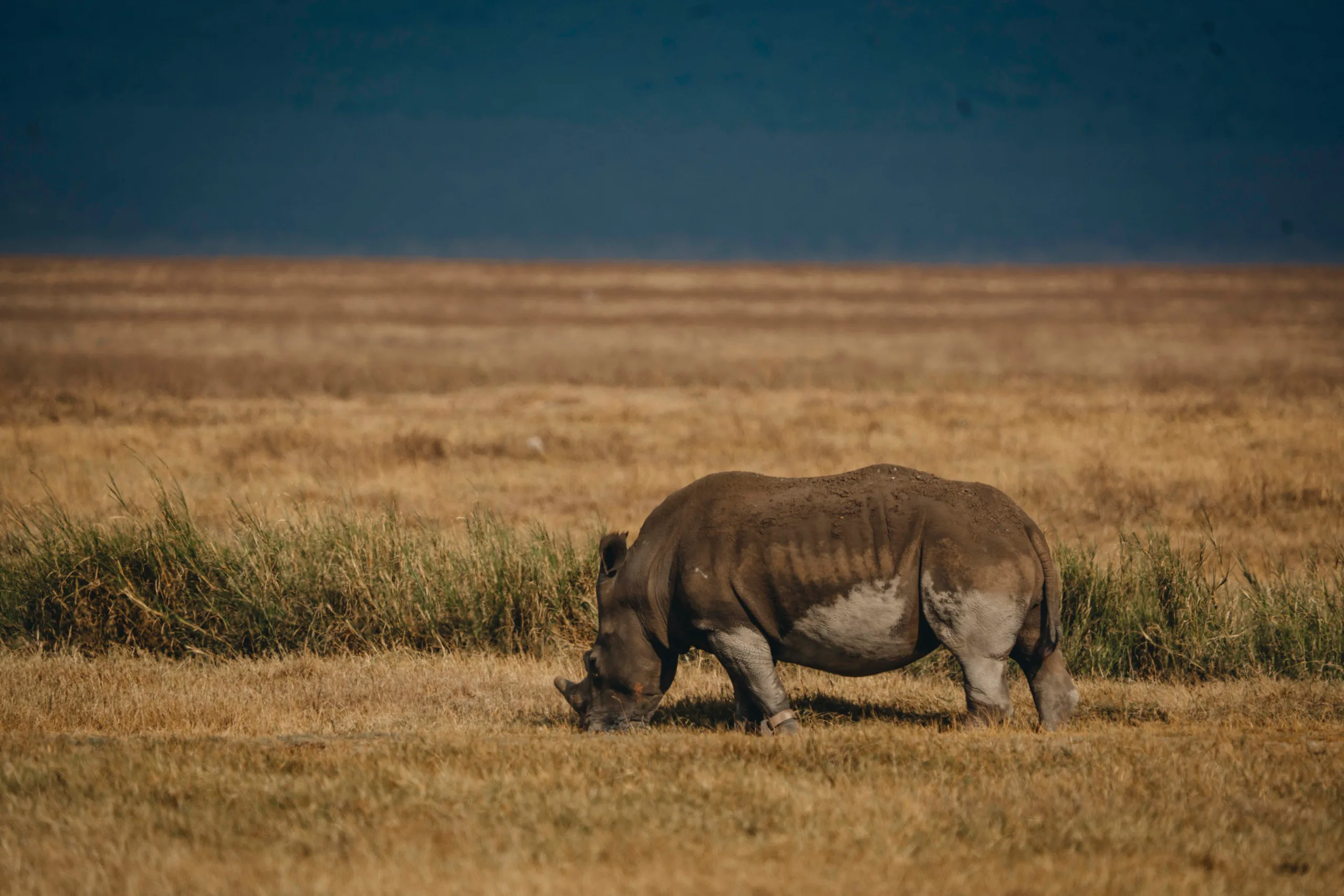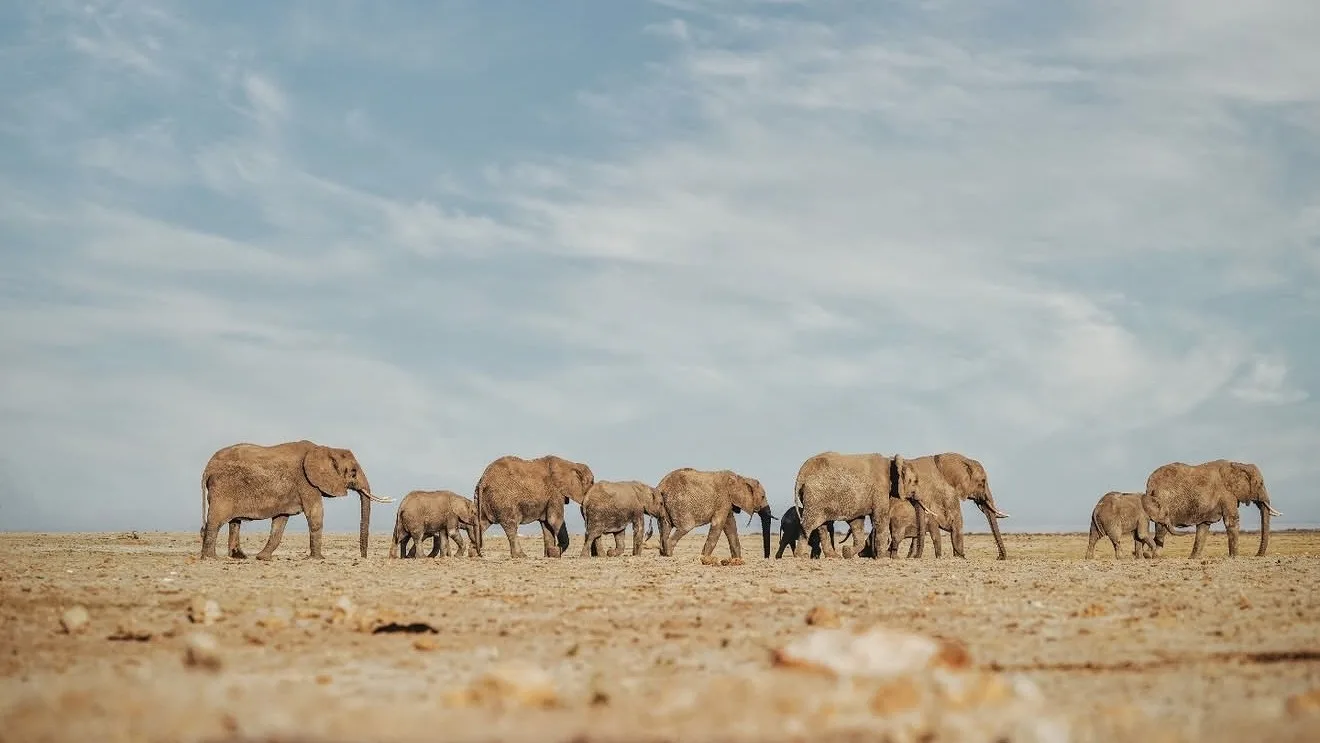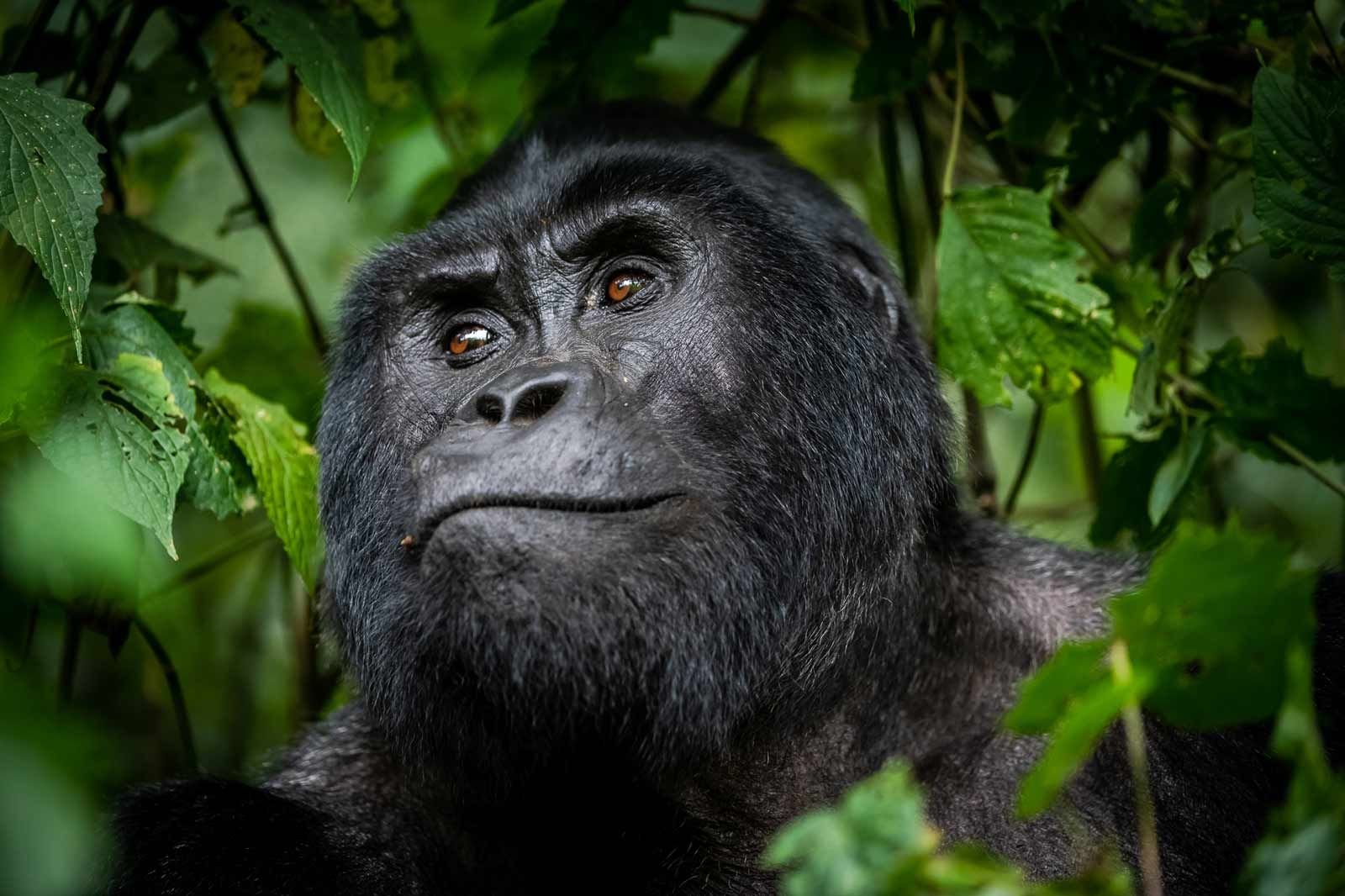





Rwanda and Tanzania sit only a short flight apart, yet they offer two very different ways of experiencing African wildlife. Rwanda is known for mountain gorillas in the forests of the Virunga volcanoes. Tanzania is known for the Serengeti, the Ngorongoro Crater and the large herds of the Great Migration.
A Rwanda and Tanzania safari brings both into one journey. This article explains why the two countries complement each other, how to structure the trip, and which travellers are likely to enjoy it most.
Why Rwanda and Tanzania Complement Each Other
Most safaris are built around a vehicle, open landscapes and many species. A gorilla trek in Rwanda's Volcanoes National Park is the opposite: a hike on foot through montane forest to spend one hour with a single family of great apes. Combining the two gives a journey with genuine variety rather than more of the same.
- Rwanda: Main experience: mountain gorilla trekking on foot. Landscape: volcanic slopes, bamboo and montane forest. Pace: one focused trek, early start, physical effort. Key parks: Volcanoes National Park. Gateway: Kigali International Airport.
- Tanzania: Main experience: game drives across savannah and crater. Landscape: open plains, woodland, kopjes and crater floor. Pace: several days of game viewing at a slower pace. Key parks: Serengeti, Ngorongoro Crater, Tarangire. Gateway: Kilimanjaro International Airport or Arusha.
The countries are also practical to combine. Kigali and Kilimanjaro are linked by scheduled flights of under two hours, and both countries have well established safari and lodge infrastructure.
How to Structure a Rwanda and Tanzania Safari
Most journeys follow one of a few shapes, depending on the time available and whether a beach stay is included. The order can be reversed to suit international flights and the days on which regional flights operate.
- About 9 to 10 days: Rwanda: Kigali and Volcanoes National Park, 3 nights. Tanzania: Ngorongoro Crater and Serengeti, 5 to 6 nights. Suits a first visit with a focus on the essentials.
- About 12 days: Rwanda: Volcanoes National Park, 3 to 4 nights, with an optional second trek. Tanzania: Tarangire, Ngorongoro and two areas of the Serengeti, 7 to 8 nights. Suits a more relaxed pace and better migration positioning.
- About 14 to 16 days: Rwanda: Kigali and Volcanoes National Park, 3 to 4 nights. Tanzania: Northern safari circuit, 6 to 7 nights, then Zanzibar, 4 nights. Suits honeymoons and travellers wanting rest at the end.
Our 10 Days in Rwanda and Tanzania itinerary follows the first shape, visiting Volcanoes National Park, the Ngorongoro Crater, the Serengeti and Tarangire. Finishing on Zanzibar is easy, as it has direct flights from both Arusha and Kigali.
Rwanda first or Tanzania first?
Either works. Starting in Rwanda means you trek while fresh and finish with the slower pace of the savannah or the beach. Starting in Tanzania can suit travellers who arrive via Kilimanjaro or who want the gorillas as a final highlight. Regional flight days often decide the order.
Time beyond the gorilla trek
Rwanda rewards an extra day or two. Near Volcanoes National Park, travellers can trek to see golden monkeys or hike to the site of Dian Fossey's former research camp and grave. In Kigali, the Kigali Genocide Memorial offers a sobering and important introduction to the country's recent history. In Tanzania, a hot air balloon flight over the Serengeti or a walking safari on the edge of a park adds another perspective to the game drives.
When to Travel
Gorilla trekking is possible all year, though Rwanda's drier months, generally June to September and December to February, offer easier trails. These periods also line up well with Tanzania's Great Migration: the herds are usually in the western and northern Serengeti from June to October, and on the southern plains for calving in January and February. March to May is wet in both countries, and permits are easier to secure, but some safari camps close.
Who Benefits Most From This Combination
- First time visitors to Africa with ten days or more who want two distinct experiences rather than a single park.
- Couples and honeymooners looking for a memorable journey that can finish on the beach.
- Wildlife photographers who want great apes and big cats in one trip.
- Families with teenagers aged 15 or over, the minimum age for gorilla trekking.
- Returning safari travellers who know the savannah and want something new.
The combination is less suitable for travellers with fewer than eight days, families with younger children, or anyone unable to manage a potentially long, steep hike. In those cases, a Tanzania safari on its own, perhaps with chimpanzee trekking in western Tanzania, may be the better choice.
Practical Considerations Before You Book
Gorilla permits are limited and should be secured early, especially for June to September; at the time of writing they cost US$1,500 per person for international visitors. Each country has its own visa rules, Tanzania requires inbound travel insurance, and yellow fever requirements depend on your route. Light aircraft into the Serengeti have strict luggage limits, which matters when packing hiking boots and rain gear.
Because the journey involves two countries, two sets of guides and several flights, having one operator coordinate the whole trip keeps the connections smooth and gives you one point of contact if plans change.
Frequently Asked Questions
How many days do you need for a Rwanda and Tanzania safari?
Nine to ten days is the practical minimum; twelve to sixteen days allows a slower pace or a beach stay.
Is it worth adding Rwanda to a Tanzania safari?
For travellers interested in great apes and able to manage a demanding hike, yes. A gorilla trek is a very different experience from a game drive, and the two complement each other well.
Can I trek gorillas in Uganda instead of Rwanda?
Yes. Uganda's Bwindi Impenetrable National Park also offers gorilla trekking. Rwanda is usually quicker to reach from Tanzania, while Uganda involves longer road transfers.
Can you see gorillas in Tanzania?
No. Tanzania has no wild mountain gorillas, which is why travellers combine it with Rwanda or Uganda.