




Kenya and Tanzania are East Africa's two best known safari countries, and both offer excellent wildlife viewing. Which suits you, or whether to visit both, depends on your interests, travel dates, budget and the style of itinerary you prefer. The answers below cover the questions we are asked most often.
Is Kenya or Tanzania better for a safari?
Neither is better in every respect. Tanzania offers more variety and more space, with the Serengeti, Ngorongoro Crater, Tarangire and remote southern and western parks. Kenya is more compact, with shorter distances between parks such as the Masai Mara and Amboseli, and private conservancies that offer walking safaris and night drives.
Travellers focused on the Great Migration for most of the year, or on a varied northern circuit, often lean towards Tanzania. Those with less time, or who want a Nairobi based trip with short transfers, may find Kenya convenient.
Can you combine Kenya and Tanzania in one safari?
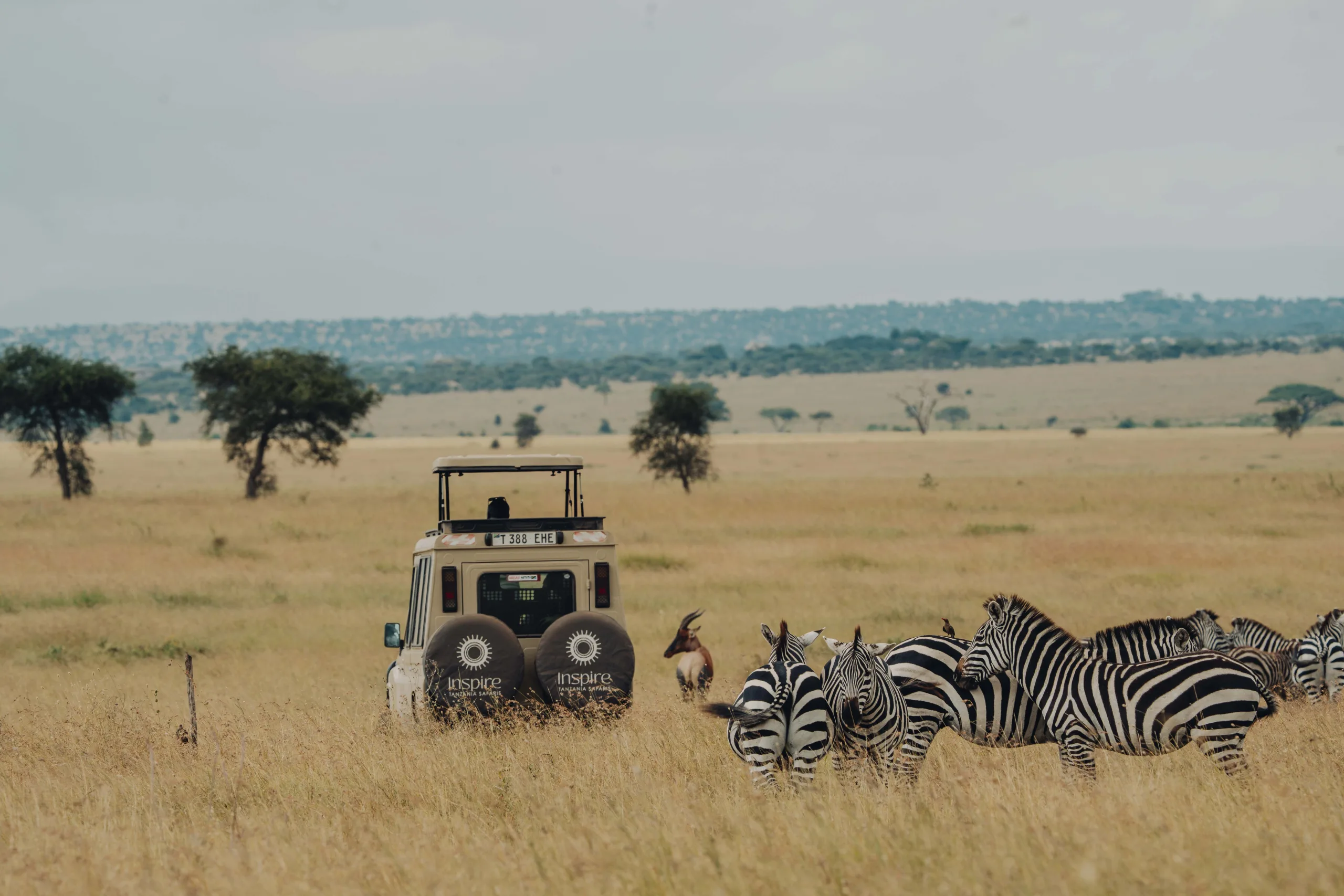
Yes. The most common combination pairs Kenya's Masai Mara with Tanzania's Serengeti, which are part of the same ecosystem. Another links Amboseli with northern Tanzania through the Namanga border. Our 10 Days in Kenya and Tanzania itinerary follows the Amboseli route, and our Masai Mara and Serengeti safari guide explains the Mara option.
What is the difference between the Masai Mara and the Serengeti?
The Masai Mara National Reserve is in Kenya and covers about 1,510 square kilometres. Serengeti National Park is in Tanzania and is roughly ten times larger. They share a border and the same migratory herds, but the Serengeti has more varied regions, while the Mara is compact and surrounded by private conservancies.
Which country is better for seeing the Great Migration?
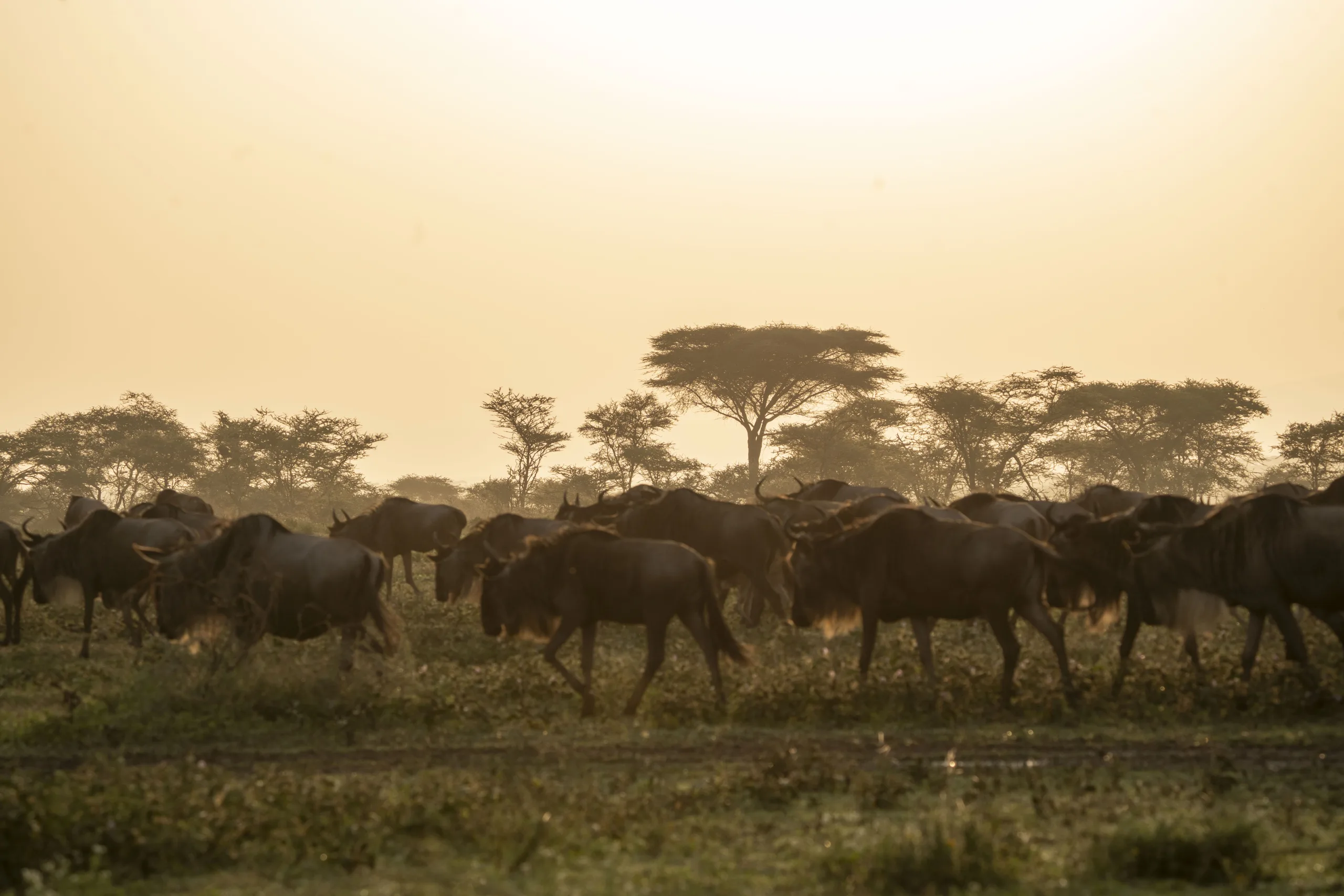
It depends on the month. The herds spend most of the year in Tanzania's Serengeti, including the calving season from about January to March. From about July to October, they are usually spread across the northern Serengeti and Kenya's Masai Mara. Our Great Migration pages explain the cycle month by month.
What is the best time to visit Kenya and Tanzania?
The long dry season, roughly June to October, is the most popular time for both countries, with easier game viewing and the migration in the north. January and February are also good, especially for calving in Tanzania. March to May brings the long rains, when some camps close and prices are lower. See our month by month guide to the best time to visit Tanzania for detail.
How many days do you need for a Kenya and Tanzania safari?
Allow at least nine to ten days for a safari covering both countries, including a day for crossing the border. Seven days or fewer usually works better in one country. Adding Zanzibar typically adds three to five nights.
How much does a Kenya and Tanzania safari cost?
There is no single price, because cost depends on season, accommodation level, group size, flights, park fees and length. Peak season, fly in itineraries and smaller private camps cost more.
Is a private safari worth the additional cost?
For most travellers who can afford it, yes. A private vehicle and guide let you set your own pace, stay longer at sightings, start early and adjust the day to your interests. The difference is greatest for photographers, families and anyone with specific wildlife priorities.
Can you visit both countries on a family safari?
Yes, though shorter travel days and fewer moves suit younger children. Some camps set minimum ages for children or for activities such as walking safaris. Our Family Safaris page explains how we plan for different ages.
What wildlife can you expect to see?
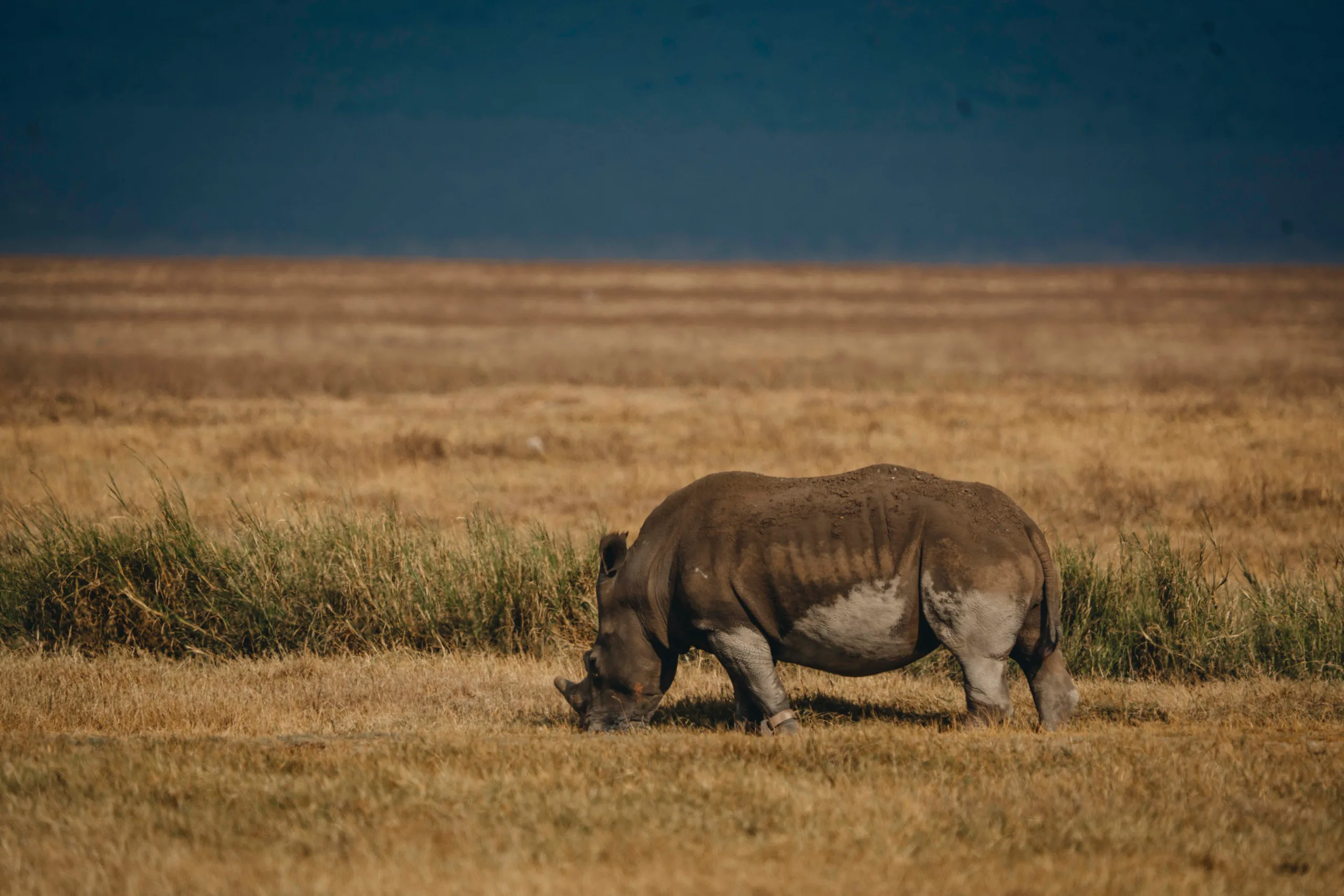
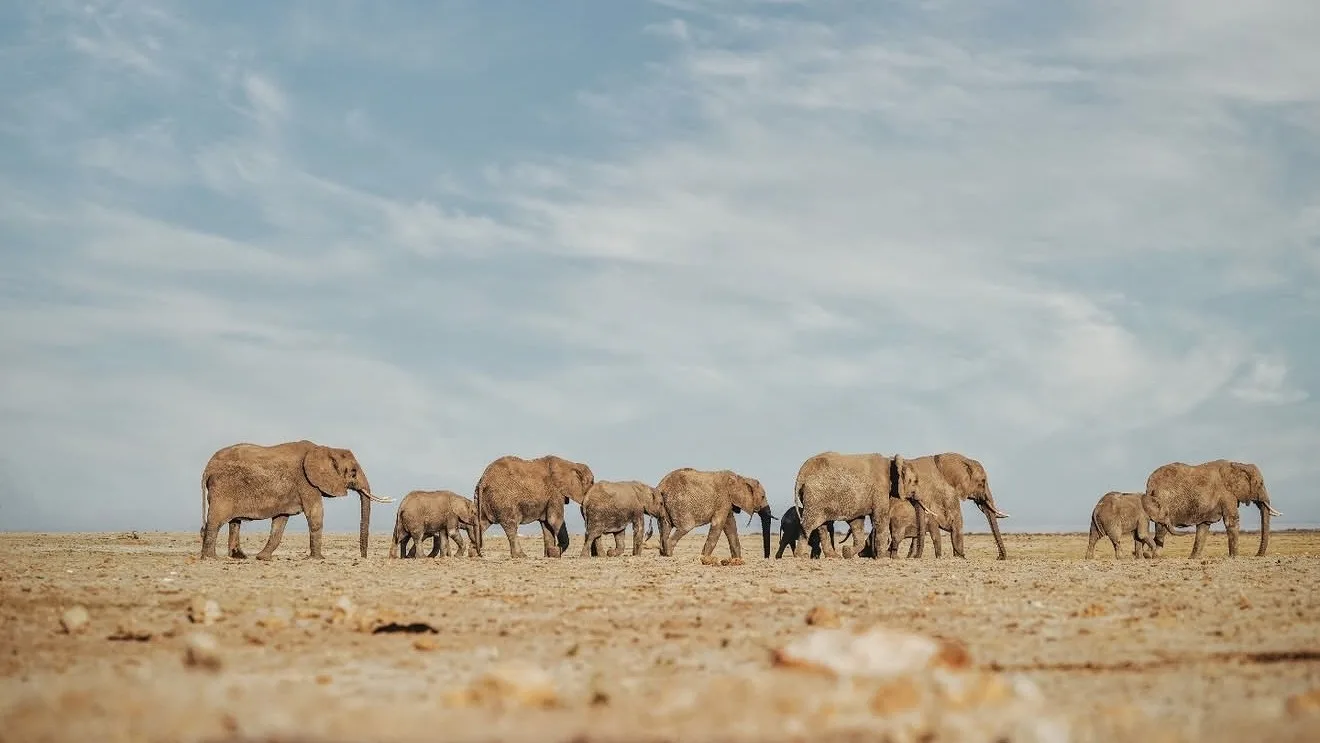
Both countries offer lions, leopards, cheetahs, elephants, buffalo, giraffes, zebra, wildebeest, hippos and a wide range of birds. Black rhinos are rare in both; Tanzania's Ngorongoro Crater offers some of the better chances. Kenya's Amboseli National Park is known for elephants against the backdrop of Kilimanjaro. Sightings are never guaranteed.
Can you combine a safari with Zanzibar?
Yes. Zanzibar is part of Tanzania and is reached by a short flight from Arusha, Kilimanjaro or directly from some safari airstrips, or from Nairobi. Our Bush and Beach Journeys combine safari with time on the coast.
Can you fly between safari destinations?
Yes. Scheduled light aircraft connect the main parks within each country. Between Kenya and Tanzania, flights must route through airports or airstrips with border facilities, so a cross border flight journey often involves a connection.
Is it better to drive or fly between destinations?
Flying saves time and energy on longer distances, while driving is usually less expensive and lets you see the countryside and wildlife on the way. Many itineraries mix both: driving between nearby parks and flying for longer journeys or the border crossing.
Do travellers need separate visas for Kenya and Tanzania?
Yes. Kenya requires most visitors to obtain an Electronic Travel Authorisation online before travel, and Tanzania issues its own visas, including through an online e visa system. The East Africa Tourist Visa covers Kenya, Rwanda and Uganda but not Tanzania. Requirements depend on nationality, so confirm with the official immigration websites before travelling.
What vaccinations, health precautions or travel insurance should travellers consider?
Speak to a travel health clinic well before departure about routine vaccinations, malaria prevention and yellow fever. Tanzania may ask for proof of yellow fever vaccination if you arrive from Kenya or another country with risk of transmission. Comprehensive travel insurance with medical evacuation cover is strongly advised, and Tanzania now requires inbound travel insurance for visitors.
Is it safe to go on safari in Kenya and Tanzania?
Both countries welcome large numbers of safari visitors every year, and safaris with licensed operators and professional guides are generally safe. Follow your guide's instructions around wildlife, use standard precautions in cities, and check your government's travel advice before departure. Our article Is Tanzania Safe for Safari? covers this in more depth.
What type of accommodation is available?
Options range from comfortable lodges to tented camps and small, highly personal camps in private areas. Seasonal mobile camps in the Serengeti move with the migration. In Kenya, conservancy camps limit vehicle numbers. Most safari accommodation is full board, and many higher end camps include drinks and activities.
Should travellers book a safari in advance?
Yes, especially for July to October, the Christmas and New Year period and the calving season. Well located camps often fill six to twelve months ahead, and flights and balloon reservations can also be limited.
Is tipping expected on safari?
Tipping is customary in both Kenya and Tanzania and is a meaningful part of income for guides and camp staff. It is discretionary and should reflect the service you received. Most travellers tip their guide directly at the end of the safari and leave a contribution for camp staff in a shared box. Your operator can suggest current guidelines.
What does a typical safari day look like?
Most days begin with an early game drive around sunrise, when animals are most active. Many travellers return to camp for brunch and rest during the midday heat, then head out again in the late afternoon. On full day drives, a packed lunch lets you stay with the wildlife longer.
Planning Your Kenya and Tanzania Safari
The right safari depends on when you can travel, what you most want to see and how you like to travel.