






15 Day Tanzania Safari Serengeti & Rubondo Island Chimpanzees
Die Übersicht
Warum es herauskommt
Reisen Highlights
- Seven nights across two quiet Serengeti sectors the central kopjes and the Western Corridor
- The Grumeti River riverine forest, colobus monkey and resident crocodile, with the migration passing through between May and July
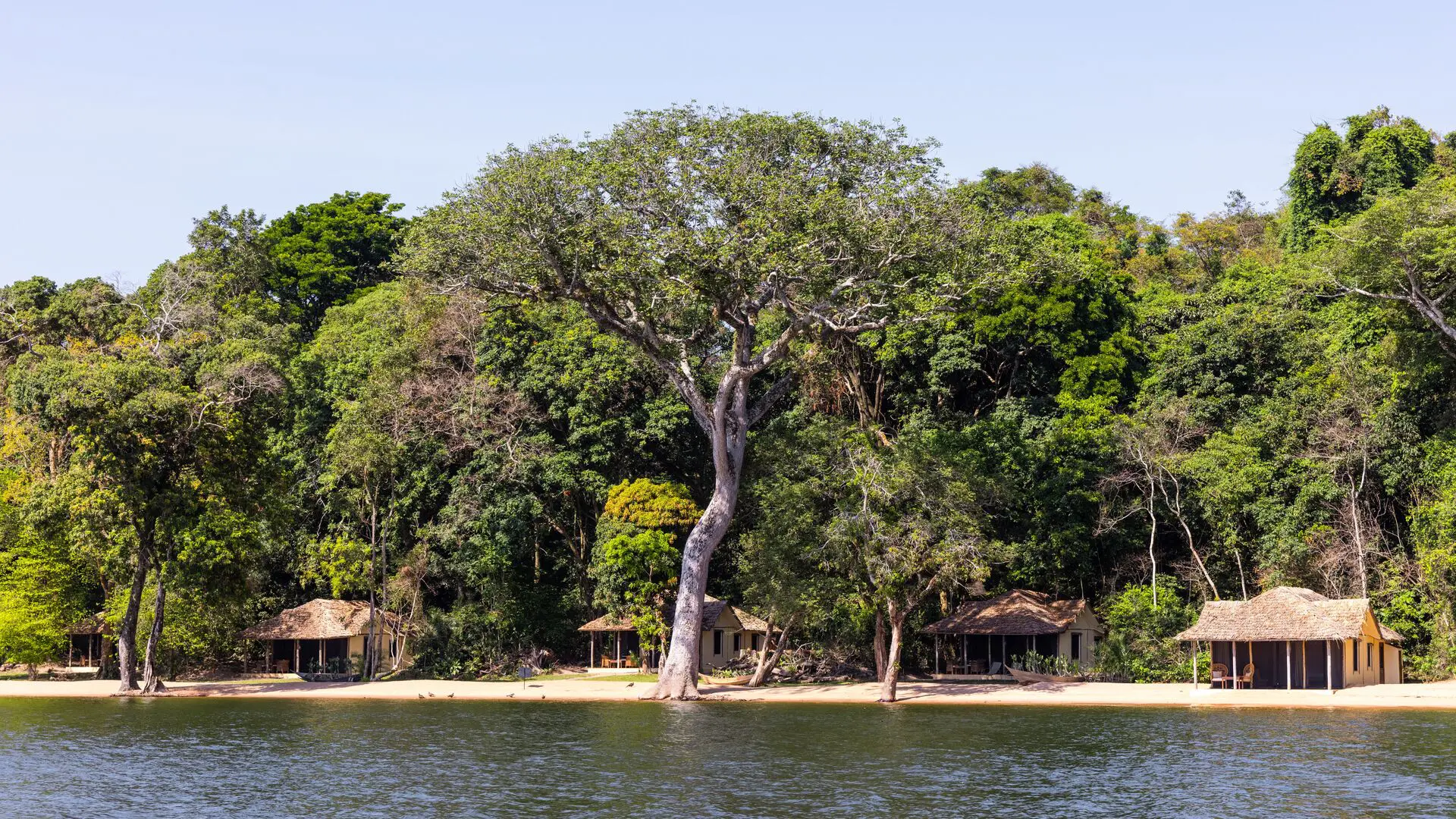
- Six nights on Rubondo Island, the largest island national park in Africa, with a single camp on it
- Chimpanzee habituation on foot an ongoing conservation process rather than a one hour visit
- Forest walks for sitatunga, bushbuck, elephant and giraffe, all introduced and now thriving
- Boat safaris along the papyrus shoreline, and some of the best birding in Tanzania
- Catch and release fishing for Nile perch on Lake Victoria
- Optional: a night of fly camping in the Rubondo forest as part of the habituation experience
Die Route
Tag für Tag
You are met at Kilimanjaro International Airport and transferred to your lodge in Arusha. An easy first evening; the flight into the Serengeti goes in the morning. Over dinner your safari consultant walks through the fifteen days where the herds are, what the Grumeti is doing, and how the chimpanzee group on Rubondo has been behaving. Rubondo sits on the scheduled service that links Arusha, Manyara, the Serengeti and Mwanza, which is what makes this combination work at all.
Wo du bleibst
-
Arusha → Serengeti
Fliegen
Scheduled light aircraft flight
A scheduled light aircraft flight from Arusha to the Serengeti. The flight is part of the experience: the highlands drop away, the Rift wall passes beneath, and then the plains open out and simply do not stop. Your guide meets you on the airstrip rough dirt and gravel, not grass and the first game drive begins immediately. The drive to camp works the south central kopjes. These granite outcrops are islands in the grassland, each with its own hyrax colonies, klipspringer, agama lizards, euphorbia and resting lions, and they are where the guiding gets interesting: the cats use them for elevation, shade and cover, and a guide who knows the individual kopjes knows where to look. Into camp before dark. Four nights here.
Wo du bleibst
A full day out with a picnic. The morning takes in the Maasai rock paintings sheltered beneath an overhang at Moru red and white ochre shields and figures, still legible and the Gong Rock nearby, a slab of granite that rings when struck and was used as a signalling instrument for generations. Very few Serengeti itineraries stop here at all. Moru holds a small, closely protected black rhino population, one of the last in the Serengeti, and the sector is patrolled accordingly. Beyond that, this is strong lion and leopard habitat, and the Moru marshes hold hippo, buffalo and a heavy concentration of birdlife. Optional: Hot Air Balloon Safari A pre dawn ascent over the southern Serengeti plains, drifting low over the grassland as the light comes up, followed by a champagne bush breakfast on landing. USD 599 per person. Back at camp by sunset.
Wo du bleibst
North east to the Seronera River valley. Seronera is the Serengeti’s year round wildlife corridor permanent water in a landscape that otherwise dries out completely and predator density here is as high as anywhere in Africa. Lions are found in full prides rather than as lone individuals; leopards favour the sausage trees and figs along the watercourse. Work back south west into the open grassland, away from the Seronera traffic. Cheetah use this ground, and so do the smaller predators that most itineraries never slow down for serval, bat eared fox, black backed jackal. Sundowners on a kopje, then dinner in camp.
Wo du bleibst
A day left open and planned over breakfast. By now your guide knows what interests you and what the resident animals have been doing. A pride followed across three days, a leopard moving along a particular drainage, a cheetah with cubs you go back to whatever has become interesting. Return to camp for lunch and the long, hot, quiet middle of a Serengeti day. This is the part that gets removed from shorter itineraries, and it should not be. Out again for the best light of the day and back after dark.
Wo du bleibst
-
Central Serengeti → Western Corridor
Road • roughly three to four hours
with game viewing throughout

Depart after breakfast and drive west into the Western Corridor roughly three to four hours with game viewing throughout. The corridor is a long arm of the park reaching towards Lake Victoria, and it is ecologically distinct from the plains: higher rainfall, taller grass, acacia and riverine forest, and the Grumeti River running through the middle of it. Arrive at camp and go out along the river. The Grumeti holds some of the largest crocodiles in Africa, animals that have grown enormous on the annual passage of the migration, and they lie up in the river pools where the water persists. Black and white colobus move through the riverine forest a species you will not see anywhere on the plains and hippo pack the deeper sections. Dinner in camp. The Western Corridor is the quietest part of the main Serengeti and the difference is immediately obvious.
Wo du bleibst
A full day out. Between roughly May and July the migration passes through this corridor on its way north, and the Grumeti crossings smaller and less predictable than the Mara crossings, but often more intimate take place here. Outside that window the corridor holds a strong resident population: topi in numbers, Coke’s hartebeest, giraffe, buffalo, elephant and the resident lion prides. The Ndabaka floodplain and the lake facing end of the corridor. The country flattens and becomes wetter as it approaches Lake Victoria, and the birding shifts accordingly herons, storks, jacana, and the papyrus species that you will see much more of in a few days’ time. Sundowners with the corridor spread out below.
Wo du bleibst
A last Serengeti morning, spent as you choose. The corridor rewards patience: it is less driven, the grass is longer, and finding wildlife takes more work and delivers more when it comes. An easy afternoon in camp or a short drive along the river. Light aircraft to Rubondo carry a strict soft bag luggage limit, and there is time to repack properly. Last night on the plains. Tomorrow the journey goes to the water.
Wo du bleibst
-
Serengeti → Rubondo
Flight • under an hour
Scheduled light aircraft flight west
-
Camp → Shoreline
Boat
boat trip along the shoreline
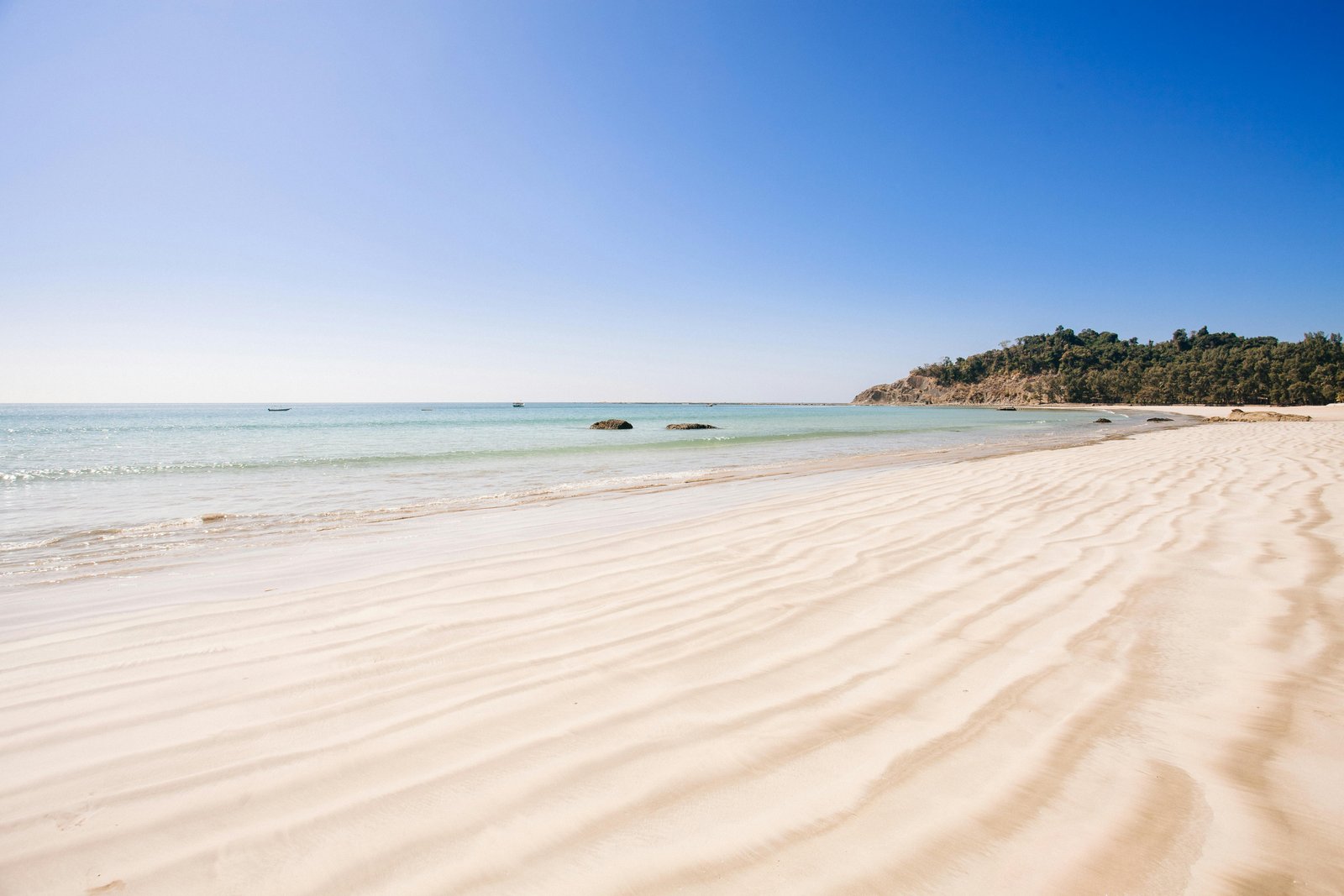
A scheduled light aircraft flight west from the Serengeti to Rubondo, on the service that links the northern parks with Mwanza and Lake Victoria. The flight takes under an hour and the transition is abrupt: plains, then farmland, then the enormous inland sea of Lake Victoria, and then an island entirely covered in forest. Met at the airstrip and driven the short distance to camp, which sits on a sand beach in a bay on the eastern shore. The first afternoon is a boat trip along the shoreline: papyrus beds, fig trees leaning over the water, otter, hippo, and a bird list that includes fish eagle, malachite kingfisher, papyrus gonolek and the extraordinary shoebill in the right conditions. Dinner on the beach. Six nights here and no schedule to keep.
Wo du bleibst
Out early with the habituation team. Rubondo’s chimpanzees are descended from sixteen animals rescued from European zoos and released on the island between 1966 and 1969; they survived, bred, and now number somewhere around forty. Habituating a forest dwelling group that has never been fully accustomed to people is slow, patient work, and guests join it rather than observe it tracking, listening for pant hoots and nest sign, and moving quietly through genuinely dense forest. This is a harder and less predictable experience than trekking a fully habituated group elsewhere in East Africa. Some days deliver long sightings; others deliver calls, fresh nests, knuckle prints and no chimpanzee at all. Both are part of the work, and over six nights the odds accumulate substantially in your favour. Back to camp, into the lake, and an afternoon that goes nowhere. Rubondo is warm and humid and a morning in the forest earns a slow afternoon.
Wo du bleibst
-
On foot
guided forest walk in the afternoon
Out again with the trackers. Continuity matters here: the group moves, and knowing where they nested last night is how you find them today. A second and third consecutive morning is exactly what makes Rubondo worth six nights rather than two. A guided forest walk in the afternoon at a slower pace, looking at what the chimpanzee work moves past too quickly: butterflies in extraordinary numbers, orchids, chameleons, the bushbuck and sitatunga that use the papyrus edges, and the vervet, black and white colobus and blue monkey that share the canopy. Optional: Forest Fly Camping A night spent in the forest as part of the habituation experience, camping close to where the group has nested so that the next morning begins where they are rather than where you are. Arranged in camp, subject to conditions. USD 400 per person.
Wo du bleibst
-
Boat
morning out with the camp’s boat and guide
Rubondo is one of the best catch and release Nile perch fisheries in Africa, and the water around the island holds very large fish. A morning out with the camp’s boat and guide, working the drop offs and the rocky points. Tackle and guidance are provided, and no previous experience is assumed. Kayak the bay, snorkel off the beach, or take the boat further along the shore to Mlaga Bay and the papyrus channels, which is the best birding on the island. Rubondo has recorded well over three hundred bird species, and the mix of forest, lake and papyrus habitats in a small area is what does it. Sunset on the water, which on Lake Victoria is worth being outside for.
Wo du bleibst
-
On foot
morning drive and walk through the interior
Rubondo carries an unusual wildlife history. Alongside the chimpanzees, elephant, giraffe, black and white colobus, suni and roan antelope were all introduced to the island in the 1960s and 70s, and several of those populations have thrived in isolation. A morning drive and walk through the interior looks for them, and the sight of a bull elephant in dense island forest is genuinely strange. Free, or a further chimpanzee tracking session if the group is close and you want it. Six nights means you can decide each morning rather than working through a fixed programme. Dinner in camp. The forest at night is loud with insects and tree hyrax.
Wo du bleibst
-
Boat
A dhow or boat out for the last of the light
The final full day, planned over breakfast: one more morning with the chimpanzees, one more forest trail, or one more boat. By this stage in a fifteen day journey there is no obligation to do any of them. A dhow or boat out for the last of the light, or a chair on the beach. Rubondo is the right place for this journey to finish because it makes no demands at all. Final dinner. Fourteen nights, four bases, and a route from the Serengeti kopjes to a forested island in the middle of an inland sea.
Wo du bleibst
-
Rubondo Airstrip → Kilimanjaro International Airport
Fliegen
scheduled light aircraft flight east via Mwanza
Transfer to Rubondo Airstrip and a scheduled light aircraft flight east via Mwanza to Kilimanjaro International Airport for your onward connection. The routing operates on a published schedule and is confirmed before departure. Fifteen days across northern Tanzania, ending in the one part of it that almost nobody reaches.
Bevor du das Buch
Wichtige Informationen
Unterkunft
Die in diesem Paket genannten Hotels, Lodges und Campingplätze unterliegen einer Verfügbarkeit, wenn Ihre Buchung bestätigt wird.Wenn eine aufgeführte Unterkunft nicht verfügbar ist, werden wir Ihnen eine vergleichbare Alternative für Ihre Genehmigung vorschlagen.
Investitionen
eingeschlossen
- All ground transportation, airport transfers and boat transfers throughout Tanzania
- All park entry and transit fees Serengeti National Park and Rubondo Island National Park
- Chimpanzee habituation activities on Rubondo Island, including permits and tracking team
- Boat safaris, kayaking and catch and release fishing on Lake Victoria as offered by the camp
- Guided forest walks and forest drives on Rubondo Island
- Full board meals throughout the journey, and camp house drinks where the property includes them
- Professional English speaking driver guide in the Serengeti; resident camp guides on Rubondo
- Safari-Fahrzeug mit Kühlschrank, gekühltem Wasser und Getränken, Ladeports und Binocularen
- Alle Unterkünfte wie aufgeführt
- Alle geltenden staatlichen Steuern
ausgeschlossen
- Internationale Flüge
- Scheduled light aircraft flights Arusha to Serengeti, Serengeti to Rubondo, and Rubondo to Kilimanjaro via Mwanza quoted separately above
- Reiseversicherung wird dringend empfohlen
- Visa und Passgebühren
- Tips for guides, trackers and camp staff
- Alcoholic beverages beyond those included by the camp
- Persönliche Gegenstände
- Optional forest fly camping night on Rubondo
- Optional Hot Air Balloon Safari weather dependent, booked in advance
- Parkgebühren steigen außerhalb unserer Kontrolle
Planung beginnen
Buchen Sie diese Reise
Sichern Sie Ihre Termine oder beginnen Sie mit der Anpassung dieser Route, um perfekt zu Ihren Präferenzen zu passen.
Keine Verpflichtung erforderlich.
Weiter erkunden
Ähnliche Reisen
5 Tage Zanzibar nach Serengeti Fliegen in Safari
ab US$3 350
pro Person teilen
Destinationen
Serengeti Nationalpark und Zanzibar
4 Tage Zanzibar nach Serengeti Fliegen in Safari
ab 2.350 €
pro Person teilen
Destinationen
Serengeti Nationalpark und Zanzibar
4 Tage Zanzibar nach Northern Serengeti Fliegen in Safari
ab 2.350 €
pro Person teilen
Destinationen
Serengeti Nationalpark und Zanzibar
3 Tage Zanzibar nach Serengeti Fliegen in Safari
ab 2.250 US-Dollar
pro Person teilen
Destinationen
Serengeti Nationalpark und Zanzibar
15 Day Tanzania Safari Serengeti & Rubondo Island Chimpanzees
15 Days