





A well planned Tanzania safari depends on a handful of decisions made in the right order: what you want to see, when you can travel, which parks suit those dates, how long you have, and the level of comfort you prefer. Once those are clear, the itinerary and budget usually follow naturally.
This guide walks through each decision, explains what affects the cost, and covers the practical details to resolve before you request a quotation.
1. Decide What You Want From Your Safari
Start with priorities rather than places. Is the Great Migration the main reason for travelling? Are big cats, elephants or birds more important? Do you want time to relax, a walking safari, a hot air balloon flight, a beach finish, or as much wildlife as possible in a short time? Clear priorities make every later choice easier.
2. Choose the Right National Parks and Conservation Areas
Most first time visitors travel Tanzania's northern circuit, which links the Serengeti, the Ngorongoro Crater, Tarangire and Lake Manyara and is reached from Arusha or Kilimanjaro International Airport. The southern parks offer remote, quieter safaris for those with more time or a second visit.
- Serengeti National Park: Very large park with excellent predator viewing and most of the Great Migration; experiences vary by region and season. Best suited to almost every safari; the core of most itineraries.
- Central Serengeti: Year round resident wildlife around Seronera, kopjes and rivers. Best suited to reliable game viewing in any month.
- Northern Serengeti: Mara River area, important for the migration from about July to October. Best suited to travellers hoping to see river crossings.
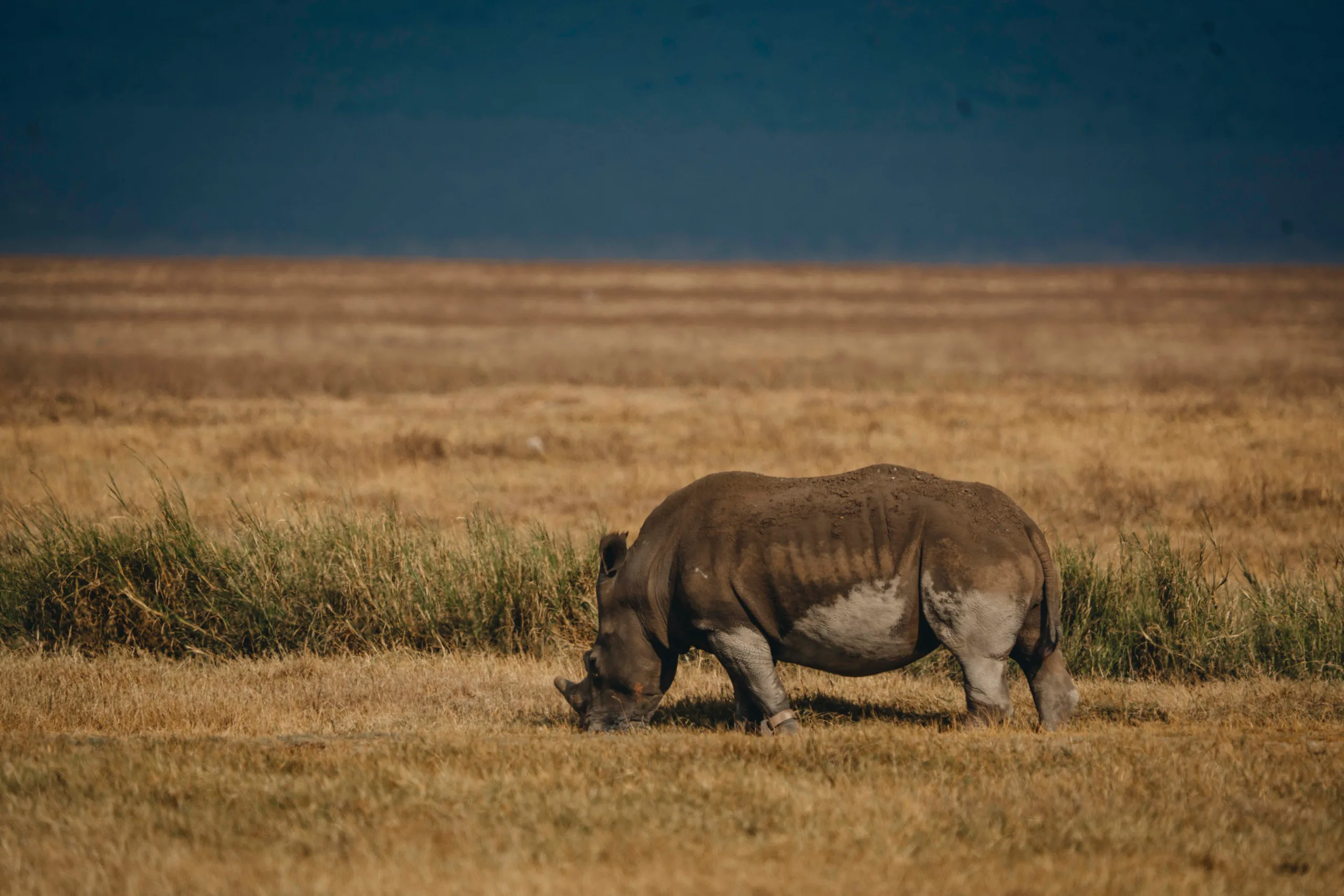
- Ngorongoro Crater: Volcanic caldera with concentrated wildlife on the crater floor, including one of the better chances of black rhino. Best suited to a full day of varied wildlife in a compact area.
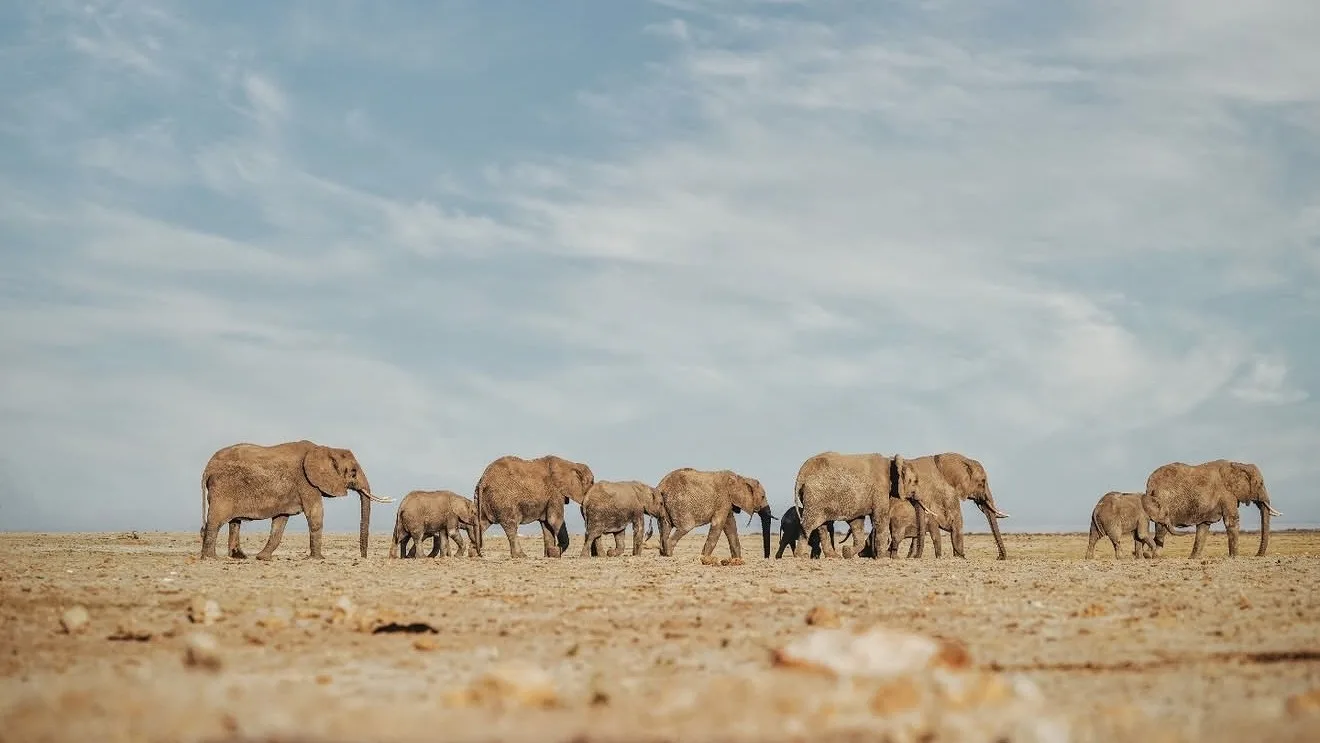
- Tarangire National Park: Elephants, baobab trees and seasonal concentrations along the Tarangire River. Best suited to June to October in particular; a good first or last stop.
- Ruaha and Nyerere: Large, remote southern parks; boating and walking in Nyerere. Best suited to return visitors and those wanting fewer vehicles.
3. Decide How Many Days to Spend on Safari
Five to seven days covers the northern circuit at a comfortable pace. Seven to ten days allows two areas of the Serengeti and time to slow down. Adding Zanzibar typically adds three to five nights. Our 7 Days Northern Tanzania Wildlife Safari is a good example of a balanced first visit. Fewer, longer stays nearly always feel better than moving every night.
4. Choose Your Travel Dates and Understand the Migration
Tanzania offers good safaris all year, but each season is different. June to October is the dry season, with the most reliable game viewing and the river crossings in the north. January and February bring calving in the southern Serengeti. March to May is the green season, with lower prices and fewer vehicles. The Great Migration moves continuously with the rains, so its location in any month is an expectation, not a guarantee.
5. Private Safari or Group Safari?
On a private safari, you have your own vehicle and guide, and the day follows your pace. On a shared or group safari, you travel with other guests, which lowers the cost but means agreeing on timings and stops. For couples, families, photographers and anyone travelling a long way for a significant trip, a private safari is usually worth the difference.
6. Road Safari or Fly In Safari?
On a road safari, your guide drives you between parks, which is good value and allows game viewing along the way. Drives can be long, particularly into the central and northern Serengeti. On a fly in safari, light aircraft connect the parks, saving hours of travel. Many itineraries combine both, as in the 5 Day Serengeti and Ngorongoro Fly In Safari. Light aircraft have strict baggage limits, usually requiring soft bags.
7. Select the Right Accommodation Level
Safari accommodation ranges from comfortable lodges to tented camps with en suite bathrooms and small, highly personal camps in private concessions. Higher levels bring more space, better food and wine, fewer guests and often better locations. Location matters as much as luxury; a well placed camp saves driving time every day. Our guide to Ultra Luxury Safari Lodges in Tanzania shows the top of the range.
8. Understand Safari Costs and What Affects the Price
There is no single cost for a Tanzania safari. The main factors are:
- Travel season: peak months cost more than the green season.
- Accommodation category and the location of each camp.
- Number of travellers: vehicle and guide costs are shared across the group.
- Private vehicle and guide arrangements.
- Domestic flights on a fly in or partly fly in itinerary.
- National park and conservation fees, charged per person per day, and the crater service fee for vehicles entering the Ngorongoro Crater.
- Length of the itinerary and any special activities, such as a hot air balloon flight.
- Whether Zanzibar is included.
Prices vary by season and accommodation choice, and longer and more luxurious journeys are priced higher. A tailored quotation is always the most accurate guide.
What a safari price usually includes
A typical quotation includes accommodation, meals on safari, a private vehicle with a professional guide, park and conservation fees, crater fees, transfers and any domestic flights listed. International flights, visas, travel insurance, tips and personal items are usually excluded. Always check the inclusions and exclusions line by line.
9. Plan Internal Flights and Road Transfers
Most northern safaris begin at Kilimanjaro International Airport or Arusha. Scheduled light aircraft fly from Arusha to airstrips across the Serengeti and connect to Zanzibar. Seats on popular routes and dates fill quickly, so domestic flights should be booked with the accommodation.
10. Decide Whether to Include Zanzibar
Zanzibar is a short flight from Arusha or the Serengeti and makes a relaxing end to a safari. It suits honeymooners, families and anyone who wants rest after early game drives. The 12 Days The Complete Northern Tanzania and Zanzibar Journey shows how the two combine.
11. Family Travel, Honeymoons and Special Interests
Families benefit from shorter drives, family tents and guides experienced with children; see our Family Safaris. Honeymooners often choose private camps, a balloon flight and time on the coast; see Couple Journeys. Photographers, birders and walkers should mention their interests early, because they shape the choice of camps and guides.
12. Visas, Travel Insurance and Health Preparation
Many nationalities need a visa for Tanzania, which can be obtained through the official e visa system. Tanzania has introduced mandatory inbound travel insurance for visitors, and comprehensive cover with medical evacuation is strongly advised. Consult a travel health clinic about malaria prevention, routine vaccinations and yellow fever requirements, which depend on your route.
13. What to Pack for a Tanzania Safari
- Neutral coloured, lightweight clothing in layers, plus a warm fleece or jacket for early mornings and the crater rim.
- A wide brimmed hat, sunglasses, sunscreen and insect repellent.
- Comfortable walking shoes and a light rain jacket in the wet seasons.
- Binoculars, a camera with spare batteries and memory cards, and a power bank.
- Medication, copies of travel documents and a soft bag if your itinerary includes light aircraft.
14. When to Book Accommodation and Flights
For July to October, the calving season and the Christmas period, book six to twelve months ahead. For the green season and shoulder months, three to six months is often enough. The best located camps and limited seats on domestic flights are usually the first to go.
15. How to Evaluate a Safari Operator
A good operator makes the whole journey easier. Before you book, check for:
- A clear itinerary with realistic travel times between parks.
- Transparent inclusions and exclusions, and clear payment and cancellation terms.
- Appropriate licensing in Tanzania and professional, experienced guides.
- Knowledge of seasonal wildlife movements and suitable accommodation for your dates.
- Prompt, thoughtful replies to your questions.
- Independent reviews from previous guests.
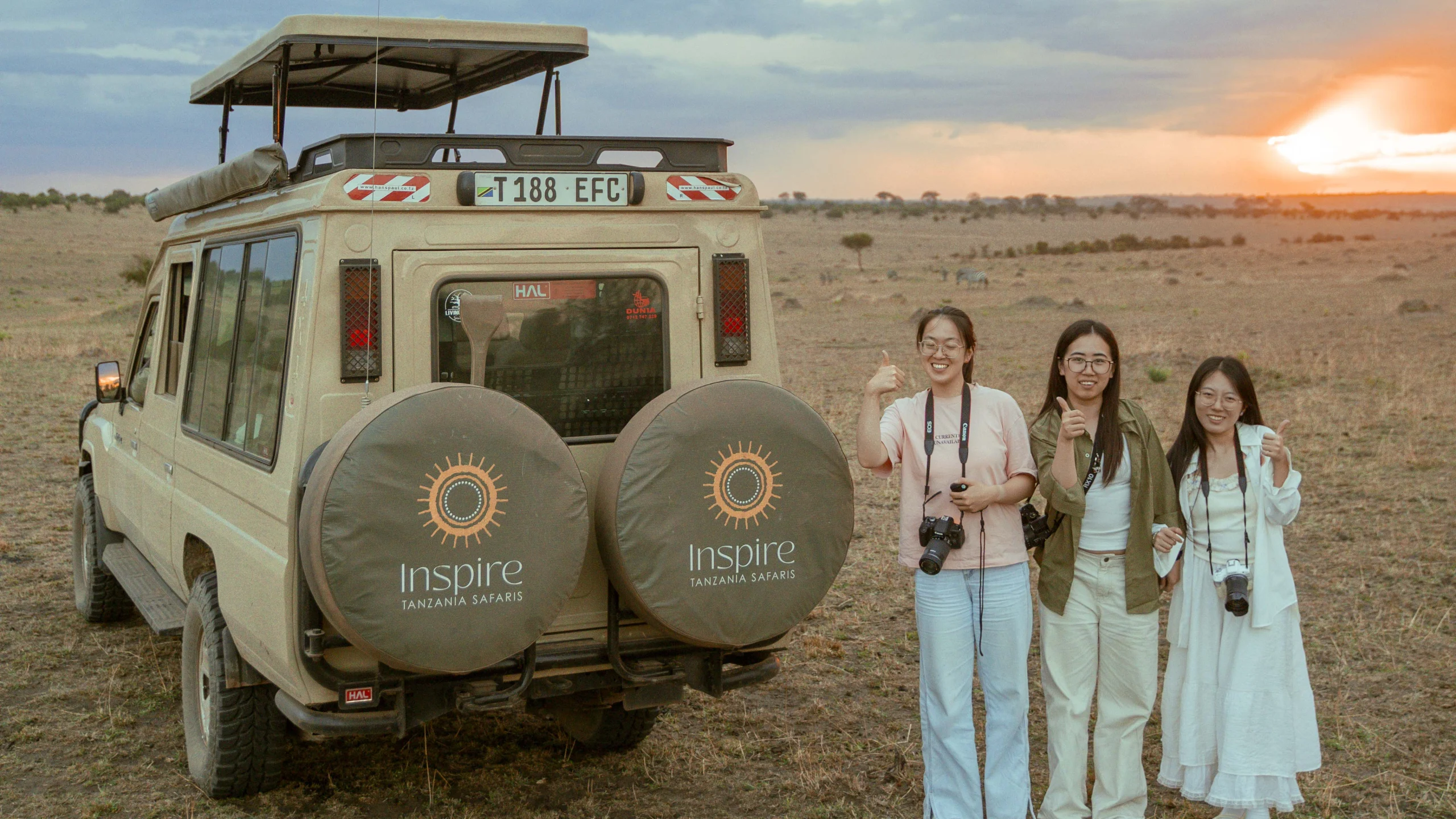
At Inspire Tanzania Safaris we are based in Arusha and design private, tailor made safaris across Tanzania and East Africa.
16. Common Mistakes to Avoid
- Trying to see too many parks in too few days.
- Underestimating driving times on long road transfers.
- Choosing a camp for its name rather than its location in your travel month.
- Booking peak season too late.
- Comparing quotations without comparing what they include.
- Expecting guaranteed sightings or a river crossing on a fixed date.
Preguntas frecuentes
How many days do you need for a Tanzania safari?
Five to seven days covers the northern circuit; seven to ten allows a slower pace and two Serengeti regions.
How far in advance should I book a Tanzania safari?
Six to twelve months ahead for peak season and calving; three to six months for other periods.
Is a fly in safari better than a road safari?
Fly in safaris save time; road safaris cost less and include game viewing on the way. Many itineraries combine the two.
What is the best first safari route in Tanzania?
Tarangire, the Ngorongoro Crater and the Serengeti, in a seven to ten day itinerary, is the classic first visit.