




The Masai Mara in Kenya and the Serengeti in Tanzania are usually described as two separate destinations, yet on the ground they form one continuous landscape. Grassland runs across the international border without a fence, and the same wildebeest, zebra, lions and cheetahs move between the two countries as rain and grazing change.
A Masai Mara and Serengeti safari lets you see both sides of this ecosystem in one journey. This guide explains how the two parks compare, when combining them makes sense, and what to plan for when crossing between Kenya and Tanzania.
Understanding the Masai Mara and the Serengeti
Serengeti National Park lies in northern Tanzania and covers roughly 14,760 square kilometres. Its regions feel quite different from one another: open short grass plains in the south, acacia woodland and granite kopjes around Seronera in the centre, the Western Corridor reaching towards Lake Victoria, and rolling hills along the Mara River in the north. Our Serengeti National Park guide describes each area in more detail.
The Masai Mara National Reserve lies in southwestern Kenya, directly north of the Serengeti, and covers about 1,510 square kilometres. Private conservancies on community land surround the reserve and extend the protected area considerably. The Mara is open grassland cut by the Mara and Talek rivers, with the Oloololo Escarpment along its western edge.
What the two destinations have in common
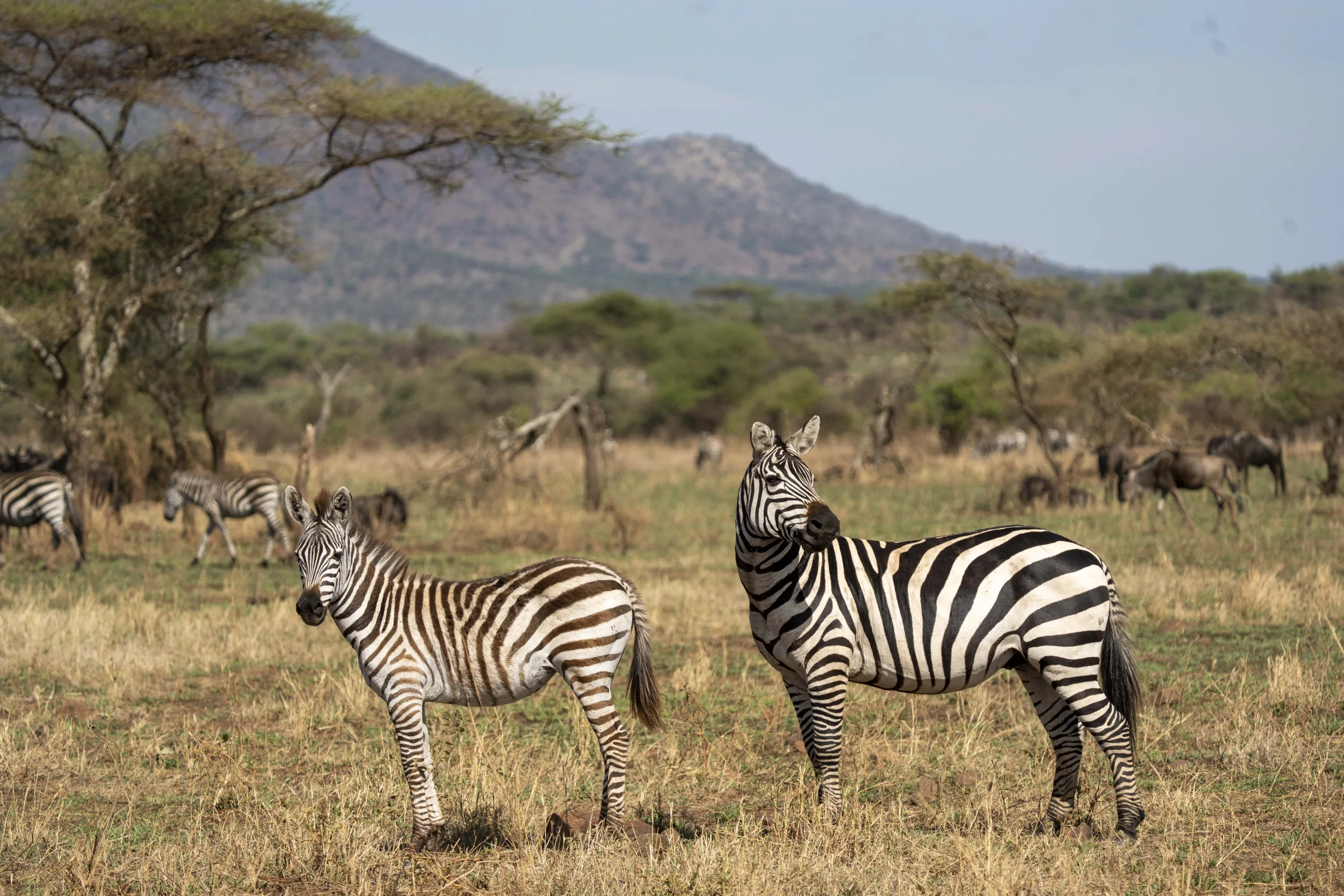
Both belong to the wider Serengeti ecosystem, share the same migratory herds and the Mara River, hold strong predator populations and sit within traditional Maasai lands.
How their landscapes and safari experiences differ
The main difference is scale. The Serengeti is roughly ten times the size of the Mara reserve, so a Serengeti safari is planned around a region and season, while the compact Mara keeps drives short.
- Size and layout: Masai Mara compact reserve surrounded by private conservancies; Serengeti very large park with distinct regions.
- Migration presence: Masai Mara usually from about July to October; Serengeti somewhere in the ecosystem all year.
- Landscape: Masai Mara rolling grassland, rivers and escarpment; Serengeti plains, kopjes, woodland and river valleys.
- Safari style: Masai Mara conservancies limit vehicle numbers and often allow walks and night drives; Serengeti park rules apply, and private concessions on the edges offer extra activities.
- Usual gateway: Masai Mara Nairobi, then light aircraft or road; Serengeti Arusha or Kilimanjaro, then light aircraft or road.
The Great Migration Across the Mara and Serengeti Ecosystem
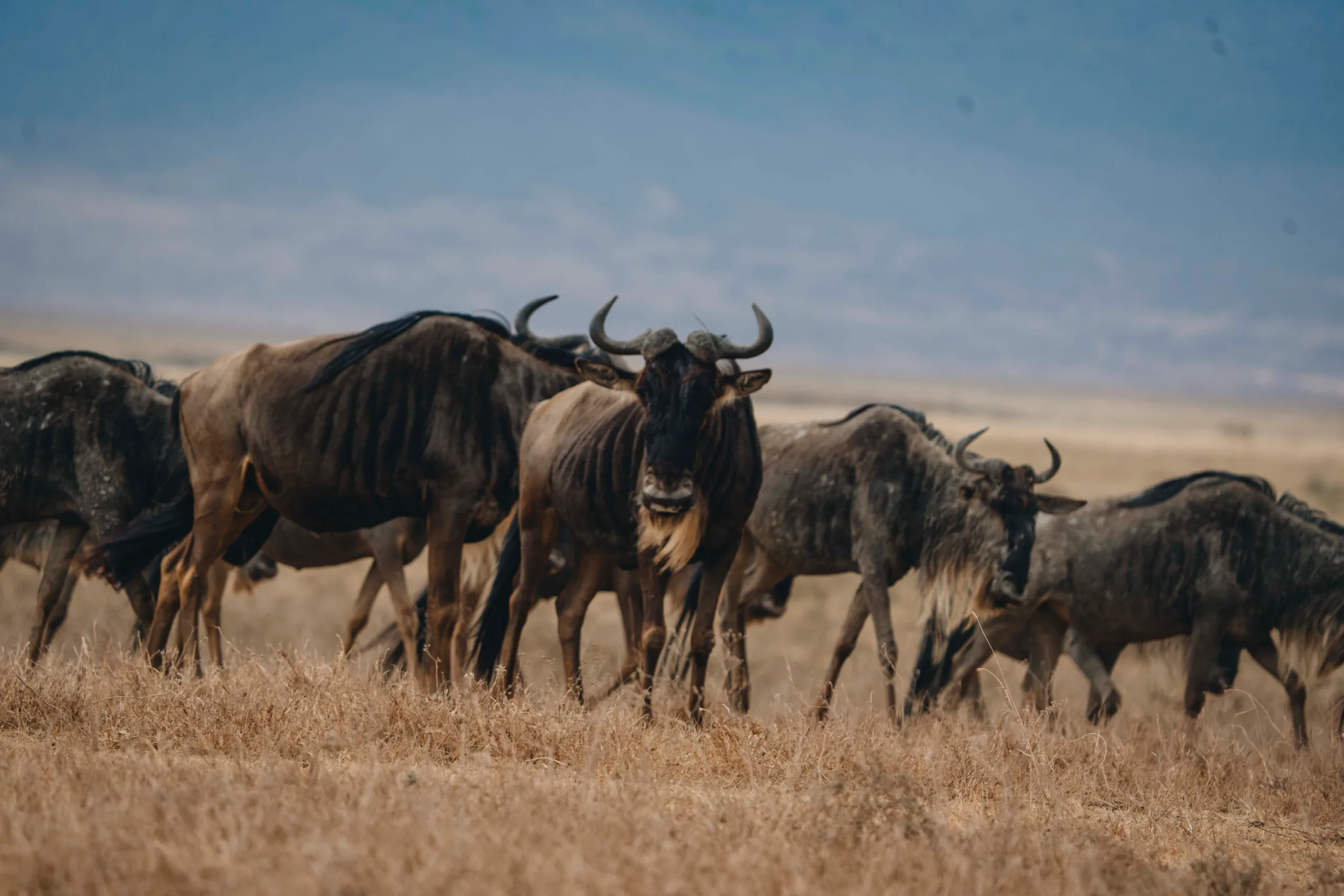
The Great Migration is the year round movement of well over a million wildebeest, together with large numbers of zebra and gazelle, in a broad circuit through the Serengeti and the Masai Mara. It is not a single event in one place. Our page on how the Great Migration moves through the year covers the full cycle. In most years the pattern looks like this:
- December to March: herds graze the short grass plains of the southern Serengeti and the Ndutu area, where calving usually peaks around February.
- April to June: the herds move north and west through the central Serengeti and the Western Corridor, where they meet the Grumeti River.
- July to October: large numbers reach the northern Serengeti and cross into the Masai Mara, with crossings of the Mara River in both directions.
- November: with the short rains, the herds drift south again through the eastern Serengeti.
Why the migration's location changes
The herds follow fresh grass and water, and both depend on rainfall. Early or late rains can shift the timing by several weeks, and the herds often split into separate groups in different areas. In the north, wildebeest may cross the Mara River several times in a season. For these reasons, no one can promise that the herds will be in a particular place on a particular date. Positioning a safari well means choosing camps and enough nights to give you good chances, especially during the Mara River crossing season.
Wildlife Beyond the Migration
Both parks are rewarding even when the herds are elsewhere. The Masai Mara is known for its lions and for cheetahs hunting on the open plains. In the Serengeti, the kopjes and river valleys around Seronera are good areas for lions and leopards, and the southern plains support cheetahs during the green season.
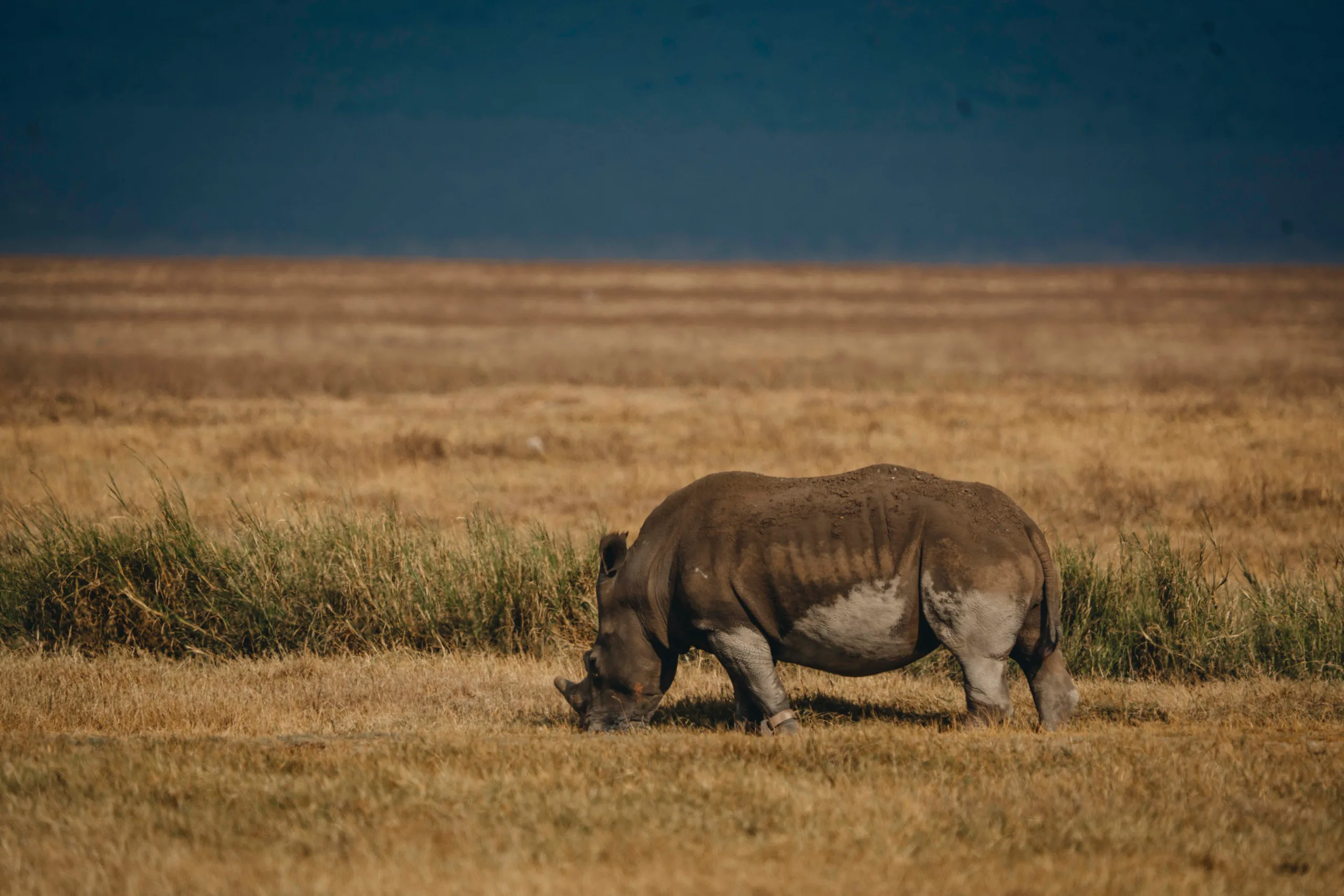
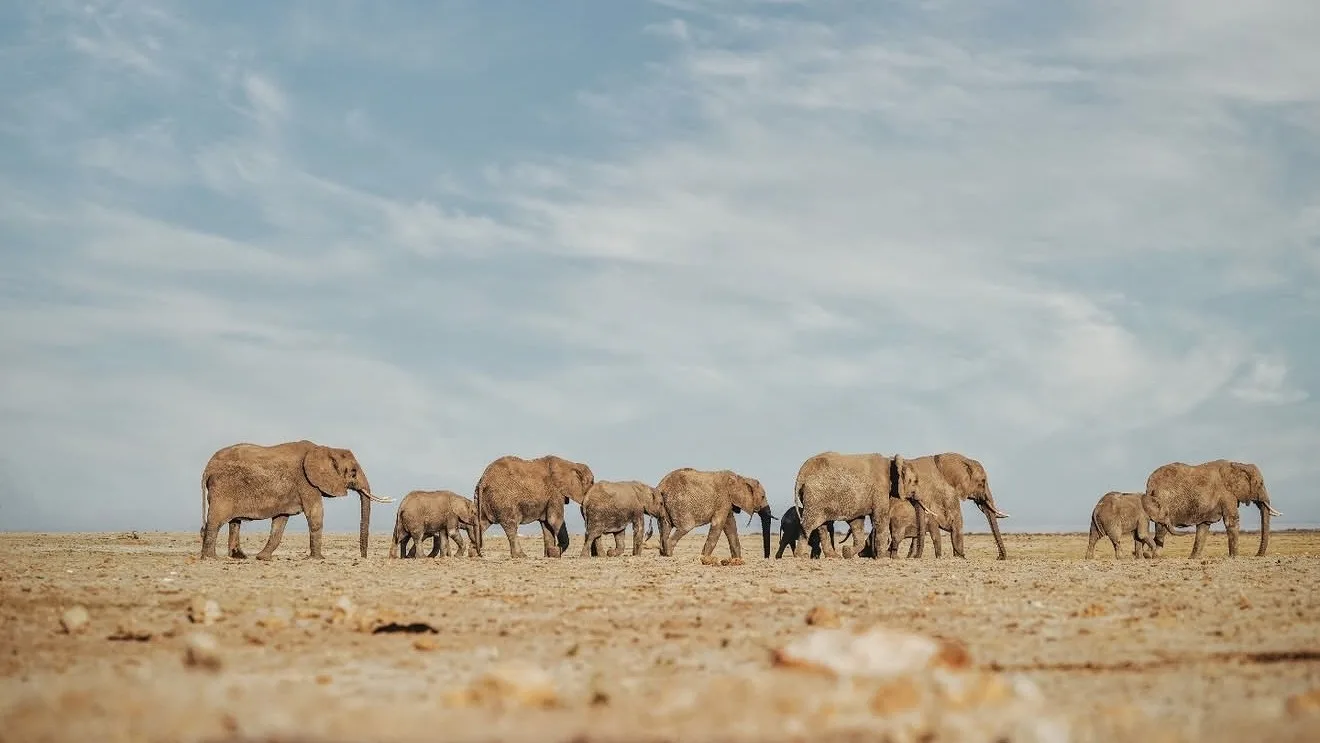
Elephants, buffalo, giraffes, topi and spotted hyenas are found across both parks, and hippos and Nile crocodiles live in the Mara River. Black rhinos are present in small numbers but rarely seen; the Ngorongoro Crater usually offers better chances.
How Many Days to Spend in Each Destination
Allow at least three nights in the Masai Mara and three to four nights in the Serengeti, plus a travel day between them. Eight to ten nights on safari is a comfortable length for the combination. Adding one or two nights at the Ngorongoro Crater makes it ten to twelve.
In the Serengeti, two bases are often better than one, for example the north during crossing season followed by the centre. Our 5 Days at the Mara River safari shows how the Tanzanian side can be structured. For a broader cross border journey, the 10 Days in Kenya and Tanzania itinerary can be adapted to include the Mara. Trips shorter than seven nights usually work better in one country, because the border crossing takes up valuable time.
Crossing Between Kenya and Tanzania: Borders, Flights and Logistics
Although the parks share a boundary, you cannot drive straight from one to the other. The crossing between the Mara's Sand River gate and the Serengeti's Bologonja gate has been closed to tourist traffic since 1977, so every itinerary uses an official border post. The main options are:
- Scheduled light aircraft with a border transfer. A flight from a Mara airstrip to Migori in Kenya, a short road transfer through the Isebania and Sirari border post, then a flight from Tarime to a Serengeti airstrip. This connection has generally operated in the busier seasons, and schedules change.
- Flights through the main hubs. Mara to Nairobi, then to Kilimanjaro or Arusha, then onward to the Serengeti. This takes longer but is available more consistently.
- By road. The drive through Isebania and Sirari takes most of a day. Itineraries that include Nairobi or Amboseli usually cross at Namanga on the way to Arusha.
The right route depends on your dates, available flights, entry requirements and border arrangements. You will normally change vehicle and guide when you change country, and light aircraft have strict baggage limits, usually requiring soft bags.
Visas and entry requirements
Kenya and Tanzania have separate entry requirements. Most visitors to Kenya must obtain an Electronic Travel Authorisation online before travelling, while many nationalities need a Tanzanian visa. The East Africa Tourist Visa covers Kenya, Rwanda and Uganda, but not Tanzania. Tanzania has also introduced a new inbound travel insurance rule, and travellers arriving from Kenya may be asked for proof of yellow fever vaccination. Always confirm current rules with official government sources before you travel.
When This Combination Works Best
From July to October the herds are usually spread across the northern Serengeti and the Masai Mara, which makes this the most natural time to visit both. It is also the busiest period, so the best located camps fill early.
The combination still works at other times of year. A February safari could pair calving in the southern Serengeti with the Mara's resident predators, for example. April and May bring the long rains, when some camps close and road conditions are less predictable.
Accommodation and Comfort Considerations
In the Mara, many of the most comfortable camps are in the private conservancies, where vehicle numbers are limited and guided walks and night drives are often available. In the Serengeti, permanent lodges and camps in the central region are joined by seasonal camps that move with the herds. Our Central Serengeti lodge directory gives a sense of the options.
On a migration safari, a good camp close to where the herds are expected will usually serve you better than a grander property several hours away.
Who Should Consider This Safari
This combination suits travellers with at least ten days who want to see the migration as one connected system, as well as photographers, returning safari guests and families with older children who are comfortable with light aircraft. If your time is short, one park in the right season will give you more time with the wildlife.
Frequently Asked Questions
Can you drive directly from the Masai Mara to the Serengeti?
No. The direct crossing has been closed to tourists since 1977, so travellers fly or drive via an official border post such as Isebania and Sirari.
Is the Masai Mara part of the Serengeti?
The Masai Mara and the Serengeti belong to the same ecosystem but are separate protected areas in different countries. The Masai Mara National Reserve is in Kenya, and Serengeti National Park is in Tanzania.
Is the Masai Mara or the Serengeti better for the Great Migration?
It depends on the month. The Serengeti hosts the herds for most of the year, while the Masai Mara usually sees them from about July to October.
How many days do you need for a Masai Mara and Serengeti safari?
Eight to ten nights on safari is comfortable, or ten to twelve with the Ngorongoro Crater.
Do I need separate visas for Kenya and Tanzania?
Yes. Each country has its own entry requirements, and the East Africa Tourist Visa does not include Tanzania.
Planning Your Masai Mara and Serengeti Safari
Combining the Masai Mara and the Serengeti takes careful planning, but it rewards you with a clear view of one of Africa's great wildlife systems from both sides of the border.