






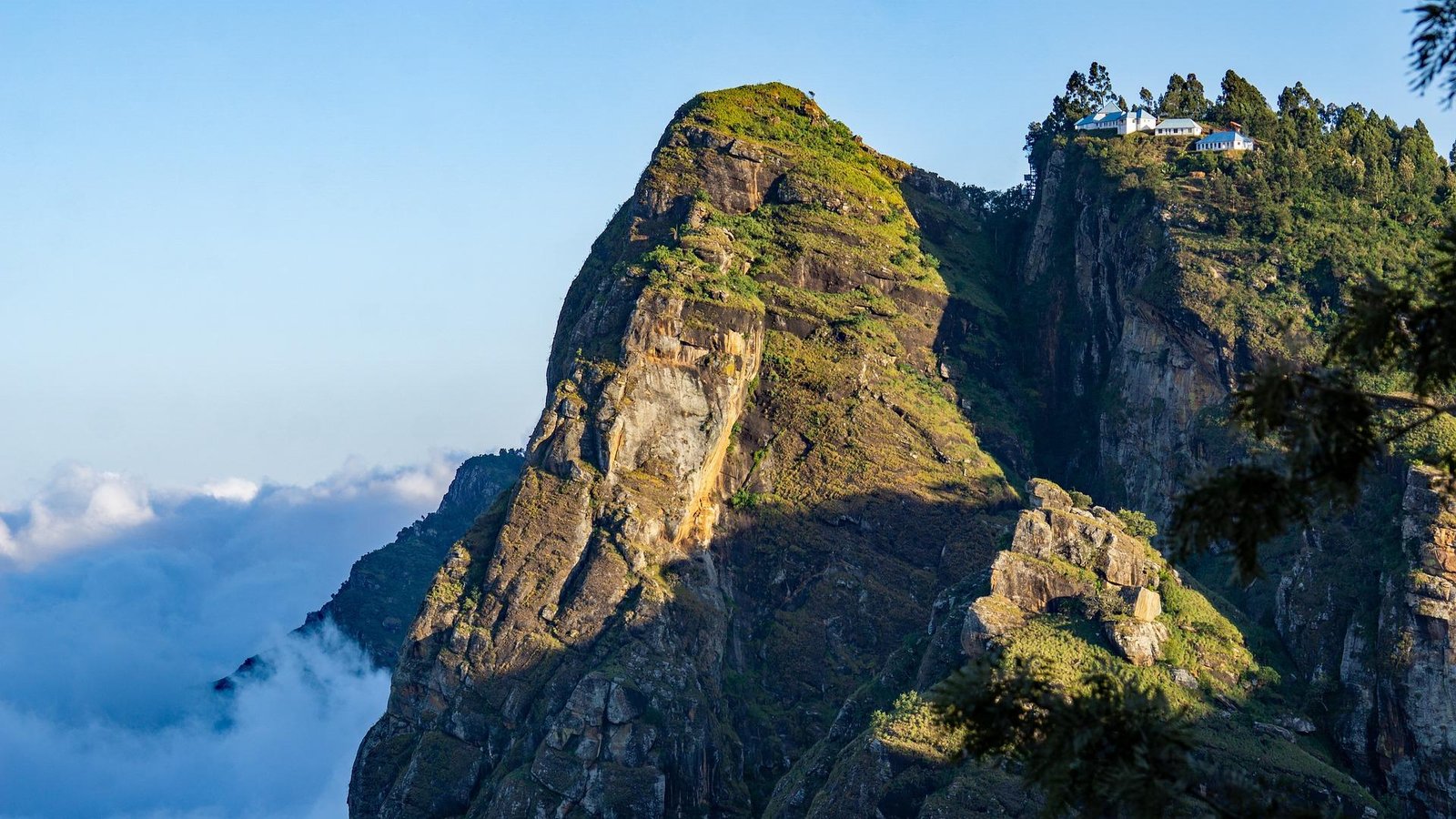
14 Day Tanzania Safari Usambara Mountains, Mkomazi & Pangani
La vue d’ensemble
Pourquoi il se distingue
Les voyages soulignent
- Mkomazi National Park dry country wildlife against the Pare Mountains, with black rhino and African wild dog conservation programmes
- Four nights in the Western Usambara Mountains village to village walking on farm paths and old forest trails
- The Irente viewpoint, where the escarpment drops close to a thousand metres to the Maasai plains
- Magamba Rainforest Reserve colobus, endemic birds and the Usambara three horned chameleon
- The Mtae and Mambo ridge one of the great views in East Africa, out over Mkomazi and into Kenya
- Three nights at Amani in the Eastern Usambaras rainforest, endemic birds and a colonial botanical garden run wild
- Night walking in the Amani forest for chameleons, tree frogs and bushbabies
- Pangani Swahili ruins, dhow sailing on the river, mangrove creeks and reef snorkelling
La Route
Jour par jour
You are met at Kilimanjaro International Airport and transferred to your lodge. This is a short first day by design: the journey ahead is a road journey through country that most itineraries fly over, and it starts properly in the morning. Over dinner your safari consultant sets out the fourteen days: which walks are running, what the mountain weather has been doing, how the coast is looking. The Eastern Arc is a flexible journey rather than a fixed one much of what you do in the mountains is decided the evening before, according to conditions and appetite.
Où tu resteras
-
Kilimanjaro → Mkomazi National Park
Road • roughly four hours

Depart after breakfast and drive east along the foot of Kilimanjaro, then south towards Same roughly four hours in total. The Pare Mountains rise steeply on the right for most of the second half of the drive, and the country dries out noticeably as you go: this is the rain shadow, and Mkomazi sits in it. Enter Mkomazi and drive to camp through open commiphora bush and baobab. Mkomazi is contiguous with Kenya’s Tsavo West, and it feels like it red soil, thorn scrub, dramatic ranges on two sides. Wildlife is genuinely wild here and less habituated than in the northern parks: elephant, giraffe, oryx, gerenuk, lesser kudu, eland and Grant’s gazelle, with the Pare and Usambara ranges standing over the whole park. Sundowners with the escarpment turning red, then dinner in camp. Very few visitors reach this park in a season.
Où tu resteras
Mkomazi holds two of Tanzania’s most important conservation programmes: a black rhino sanctuary established to rebuild a population that was wiped out here by the late 1980s, and a long running African wild dog breeding and reintroduction project. The morning is spent with the programme, understanding what recovery actually involves the fencing, the veterinary work, the community relationships, the decades of patience. It is a considerably more interesting morning than a game drive. A game drive through the Dindira dam area and the open plains beneath the Usambara wall. Mkomazi’s birdlife is exceptional and distinctly dry country vulturine guineafowl, golden breasted starling, hornbills, and a long list of raptors. In the late afternoon the light comes off the mountains at an angle that makes the whole park photograph well. Back to camp. The Usambaras are visible from here, and tomorrow you drive up into them.
Où tu resteras
-
Mkomazi → Western Usambaras
Road • about three hours
Leave Mkomazi and drive south to Mombo, then turn up the escarpment road about three hours in total, the last hour of it climbing hard through thirty odd hairpins. The change is abrupt and complete. In under an hour you go from thorn scrub at three hundred metres to cool, wet, intensely cultivated mountainside at fifteen hundred, with pine, eucalyptus, banana and vegetable terraces stacked up every slope. Settle in, then walk out in the afternoon to the Irente viewpoint. The plateau simply stops: a vertical drop of close to a thousand metres, with the Maasai plains laid out below and Mkomazi visible in the haze where you slept last night. The walk there runs through smallholdings and past the Irente farm, and it is the best possible introduction to how this landscape works. Dinner in the mountains. It is cold at this altitude after dark, which after Mkomazi is a pleasure.
Où tu resteras
A full morning walking in the Magamba Rainforest Reserve with a specialist local guide. This is genuine Eastern Arc forest old, wet, mossy and layered, with buttressed trees and a canopy that closes overhead. Angolan black and white colobus move through it in troops. The bird list is what brings specialists here: Usambara akalat, Usambara weaver, Usambara eagle owl and several other species found in these mountains and nowhere else on the planet. Continue on foot along the ridge, or return for lunch and go out again in the afternoon your choice, and it depends on the weather. The forest holds the Usambara three horned chameleon and the pygmy chameleon, both endemic, and a good guide will find them. There is also a German era colonial site in the forest and a stand of old growth that was never logged. Back at the lodge before dark. Mist usually comes down over the ridge in the late afternoon.
Où tu resteras
-
Western Usambaras → Mtae and Mambo
Road • around two and a half hours
Drive north west along the spine of the Western Usambaras towards Mtae and Mambo around two and a half hours on a mountain road, through villages, terraces and forest patches. The road runs at altitude the whole way and the views open and close constantly. This is the least travelled part of an already quiet region. The ridge at Mambo sits at around nineteen hundred metres and ends in a sheer drop. From the edge you look down onto Mkomazi, across to the Pare Mountains, and on a clear day into Kenya and to Kilimanjaro. Walk out along the ridge in the afternoon, visit the village, and watch the light change over the plains below. Very few landscapes in East Africa deliver this much vertical drama. An evening on the escarpment edge. The plains hold their heat long after the ridge has gone cold.
Où tu resteras
A full day on foot, routed according to your appetite and the weather. The Western Usambaras are laced with footpaths that connect villages, fields and forest patches, and they have been the transport network here for centuries. You walk between smallholdings, past irrigation channels and vegetable plots, through pockets of remnant forest, and you meet people going about an ordinary day which is exactly the point. Depending on the day, the walk can be timed to reach a village market. The Usambaras supply a very large share of the fresh produce for Tanga and Dar es Salaam, and the markets show it. Alternatively the afternoon is free four nights in one place means there is room to simply sit and read for an afternoon without losing anything. Final night in the Western Usambaras. Tomorrow the journey crosses to the eastern range.
Où tu resteras
-
Western Usambaras → Amani
Road • around four hours
Descend the escarpment to Mombo and drive south east towards Muheza, then turn up into the Eastern Usambaras around four hours in all, the final stretch on a rough forest road. The two ranges are separated by the Lwengera valley and they are ecologically distinct: the eastern range is lower, wetter and closer to the ocean, and its forest is correspondingly denser and more tropical. Arrive at Amani Nature Forest Reserve in the afternoon. Amani was a German agricultural research station from 1902, and its botanical garden once one of the largest in the tropics has been half swallowed by the forest that surrounds it. Walking through it is a strange and memorable experience: exotic specimen trees a century old, standing in what is now rainforest, with the old laboratory buildings still there among them. Dinner in the forest. Amani is loud after dark, and almost all of it is frogs and insects.
Où tu resteras
Out at first light with a reserve guide. The Eastern Usambaras are one of the highest priority biodiversity sites on the African continent, and the morning is spent on the trails that show why: Amani sunbird, Usambara eagle owl, green headed oriole, Fischer’s turaco, long billed tailorbird, plus a list of endemic amphibians and reptiles that researchers are still adding to. You do not need to be a birder for this to land the forest itself does the work. The afternoon runs down to the Sigi River, through cardamom and clove smallholdings and past the tea estates that occupy the cleared land around the reserve. Amani sits in a working landscape rather than a wilderness, and the tension between the forest and the farms is the central conservation story of the Eastern Arc. A guided night walk with torches. Chameleons sleeping on branch tips, tree frogs, bushbabies, and the occasional forest snake. It is the single most productive hour in an Eastern Arc forest and almost nobody does it.
Où tu resteras
An unstructured day. The reserve has a network of marked trails of varying length, and the obvious way to spend the morning is to walk one you have not yet done Mbomole Hill for the view over the forest canopy, or the Turaco trail for the birding. Your guide goes with you; the distance is yours to decide. Rain is common in the Eastern Usambaras in the afternoon, which is part of why the forest exists. If it comes, it is a good afternoon to be under a roof with the sound of it on the canopy. If it holds off, there is more forest to walk. Last night in the mountains. Tomorrow the journey drops to sea level.
Où tu resteras
-
Amani → Pangani
Road • around three hours
Leave Amani and drive down through Muheza to Tanga, then south along the coast road to Pangani around three hours. The vegetation shifts again on the way down: forest to sisal to coconut palm, and then the first sight of the Indian Ocean. Pangani sits at the mouth of the river of the same name, which drains the mountains you have just spent a week in. Arrive in time for a late lunch. The afternoon is deliberately empty swim, sleep, sit. After nine days of walking at altitude, the first afternoon on the coast should not have anything scheduled in it. Dinner by the water. Nights on this coast are warm and the sea breeze runs until late.
Où tu resteras
-
Pangani → Pangani River
Boat
Out on the Pangani River by dhow. The river runs wide and slow here, lined with mangrove and coconut, and the trip works both as birding kingfishers, palm nut vulture, fish eagle, herons and as history. This waterway carried ivory, and then slaves, down from the interior for centuries, and Pangani was the terminus. A walking tour of the old town with a local guide. Pangani is a layered place: Omani doorways, German colonial administration buildings, the old customs house, coral rag ruins and a boat yard where dhows are still built by hand using methods that have not materially changed in centuries. It is quiet, largely unrestored, and much more affecting than the polished version of Swahili heritage on offer elsewhere. Sunset from the beach, and a seafood dinner.
Où tu resteras
-
Pangani → reef and small islands offshore
Boat
A boat out to the reef and the small islands offshore for snorkelling. The reefs along this stretch of coast are healthier and far less visited than those closer to Zanzibar, and the sandbanks that appear at low tide make an obvious place to stop. Green and hawksbill turtles nest along this coast, and a local conservation programme monitors the beaches. Free. Kayak the mangrove creeks, walk the beach, or do nothing at all the last afternoon of a two week journey is not the moment to add another activity. Final dinner. Fourteen days from the rain shadow of the Pare Mountains to the mouth of the Pangani River, with almost the whole of it on foot.
Où tu resteras
-
Pangani → Tanga
La route
-
Tanga → Dar es Salaam, Zanzibar or Kilimanjaro
Voyage
scheduled light aircraft flight
Transfer to Tanga for your scheduled light aircraft flight onward to Dar es Salaam, Zanzibar or Kilimanjaro, depending on your connection; the routing is confirmed against the published schedule before departure. Alternatively the road transfer back to Kilimanjaro International Airport takes most of the day and can be arranged instead.
Avant de lire
Informations importantes
Accommodation
Les hôtels, lodges et camps mentionnés dans ce package sont soumis à la disponibilité lors de la confirmation de votre réservation.Si une propriété mentionnée n'est pas disponible, nous vous proposerons une alternative comparable pour votre approbation.
Investissement
inclus
- Tous les transports terrestres et les transferts aéroportuaires dans toute la Tanzanie
- All park, reserve and conservation fees Mkomazi National Park, Magamba Rainforest Reserve and Amani Nature Forest Reserve
- Mkomazi rhino sanctuary and wild dog programme visit
- All guided walking in the Western and Eastern Usambara Mountains with specialist local guides
- Amani night forest walk
- Dhow excursion on the Pangani River and guided walking tour of Pangani old town
- Reef snorkelling excursion by boat, including equipment
- Full board meals throughout the journey
- Professional English speaking driver guide throughout
- Véhicule Safari avec réfrigérateur, eau froide et boissons gazeuses, ports de recharge et binoculars
- Tous les logements comme indiqué
- Toutes les taxes gouvernementales applicables
exclure
- vols internationaux
- L’assurance voyage fortement recommandée
- Visa et passeport
- Tips for guides, rangers and lodge staff
- Les boissons alcoolisées
- Articles personnels
- Onward scheduled light aircraft flight from Tanga on departure quoted separately above; a road transfer to Kilimanjaro is available at no supplement
- Diving, kite surfing and other motorised water sports on the coast
- Park and reserve fee increases beyond our control
Démarrer la planification
Réservez ce voyage
Sécurisez vos dates ou commencez à personnaliser cet itinéraire pour correspondre parfaitement à vos préférences.
Pas d’engagement nécessaire.
Continuez à explorer
Voyages similaires
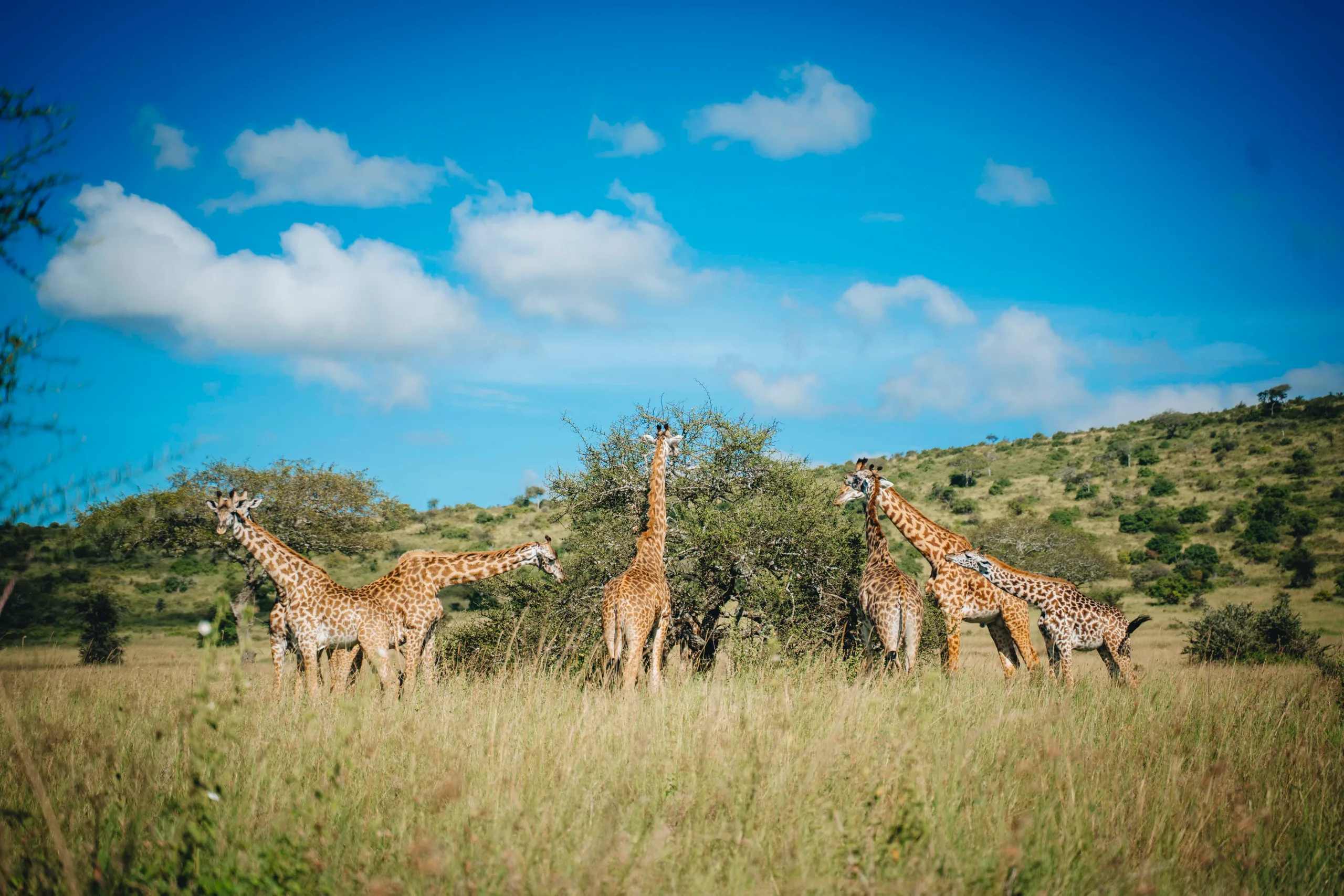
10 Day Luxury Tanzania Safari Serengeti & Ngorongoro Crater
From US$6,450
par personne partage
Destinations
Cratère de Ngorongoro et parc national de Serengeti
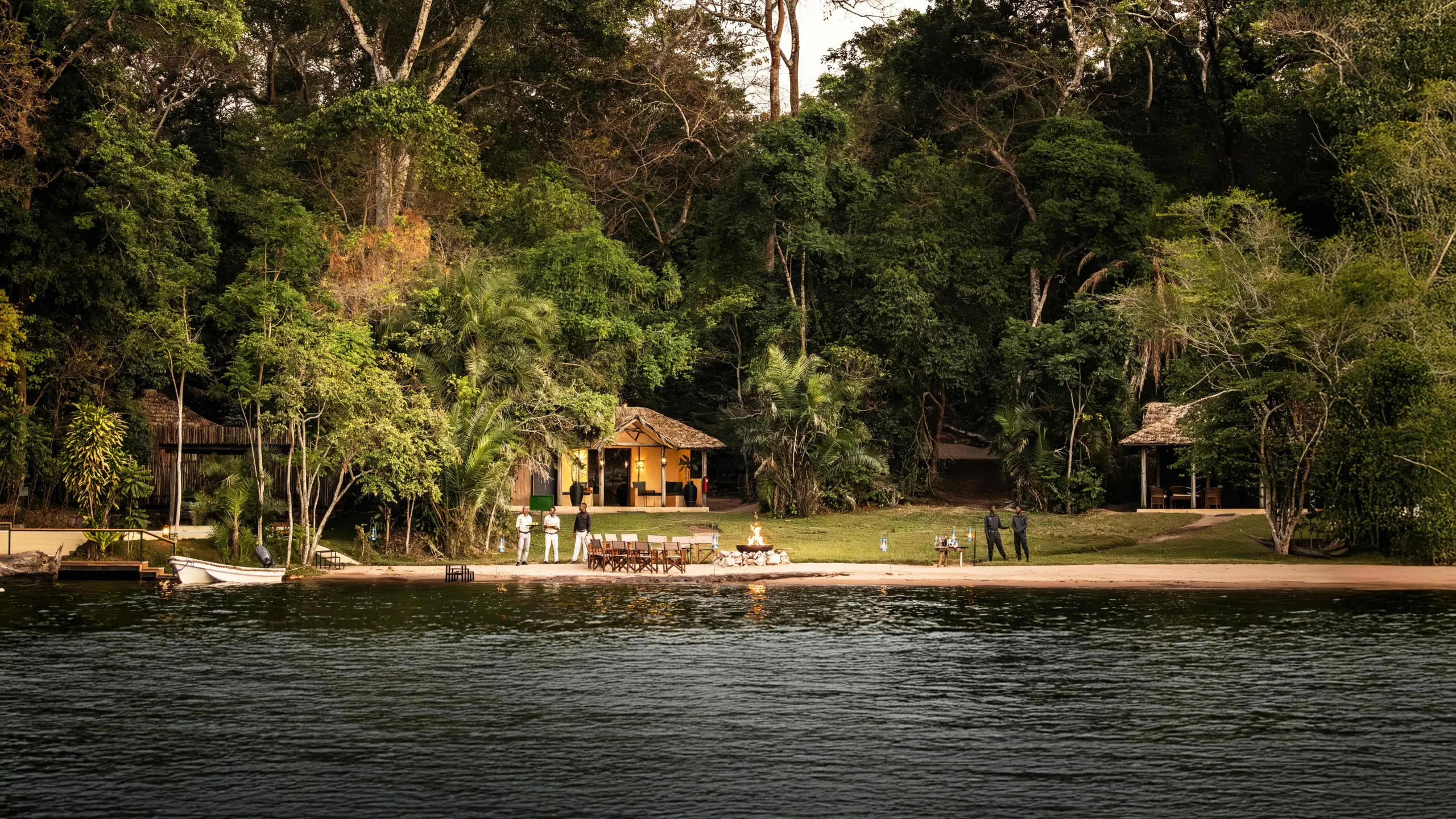
15 Day Tanzania Chimpanzee Safari Rubondo, Gombe & Mahale
From US$8,600
par personne partage
Destinations
Gombe Stream National Park, Mahale Mountains National Park, Serengeti National Park & Zanzibar
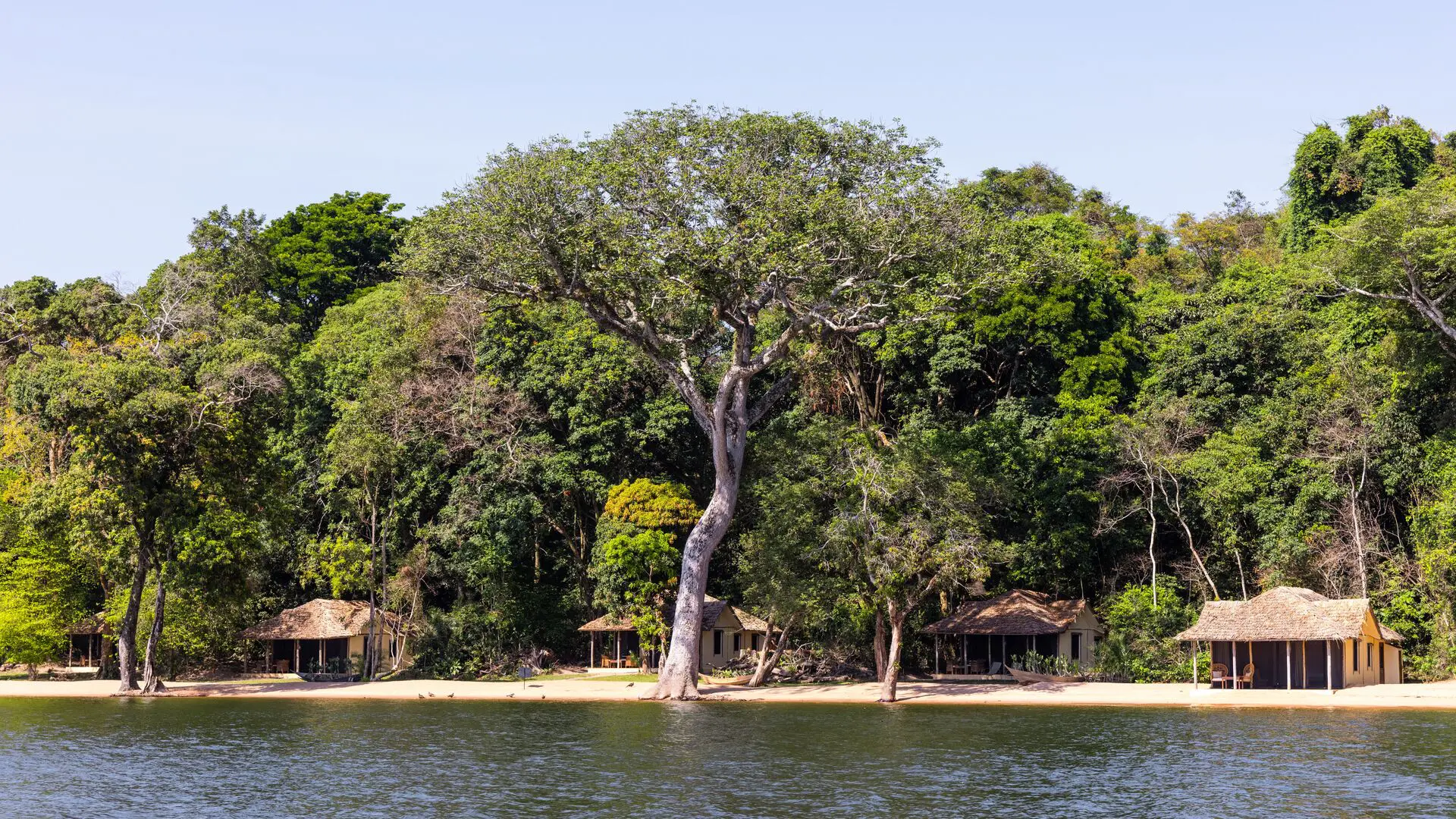
15 Day Tanzania Safari Serengeti & Rubondo Island Chimpanzees
From US$9,300
par personne partage
Destinations
Parc national du Serengeti et Zanzibar
17 Day Tanzania Safari Serengeti, Ngorongoro & Private Island
From US$10,500
par personne partage
Destinations
Cratère de Ngorongoro, Parc National du Serengeti et Zanzibar
14 Day Tanzania Safari Usambara Mountains, Mkomazi & Pangani
14 Days